


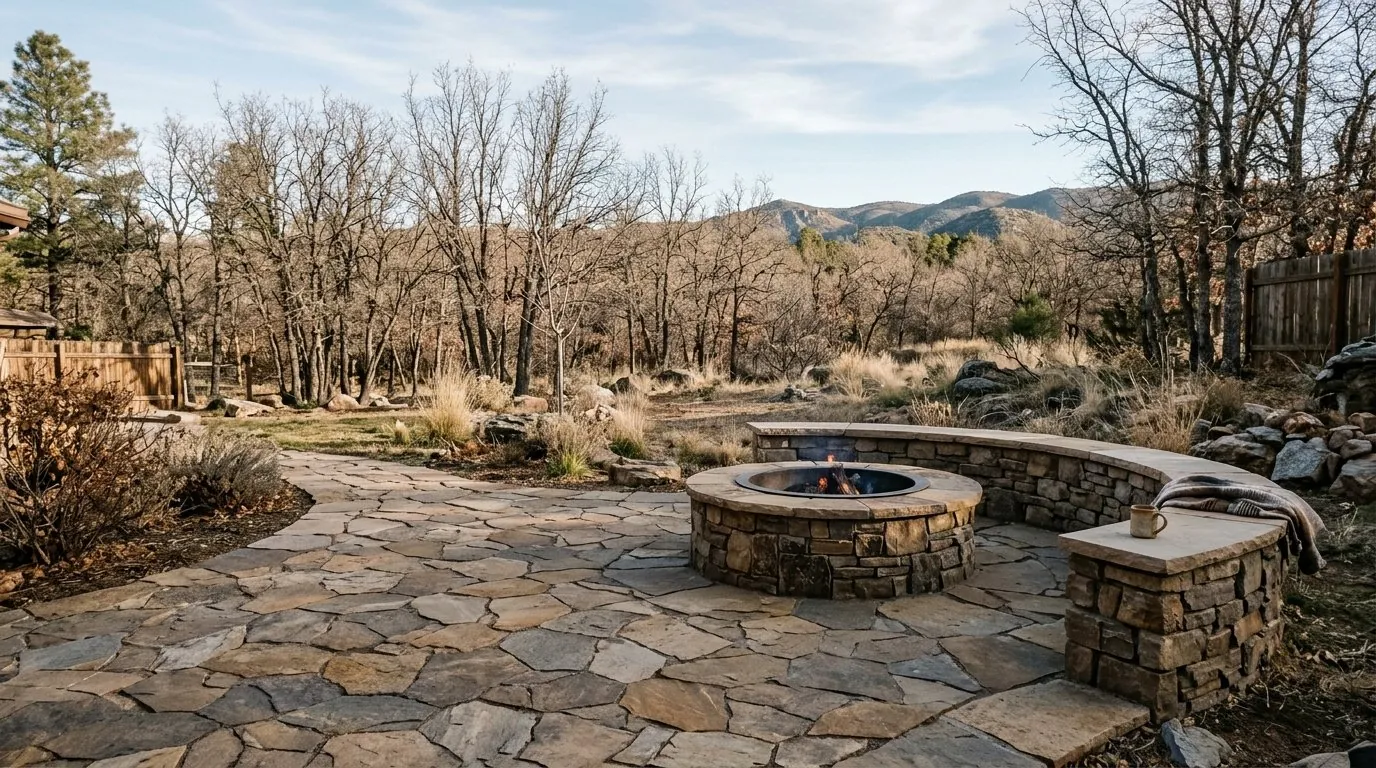
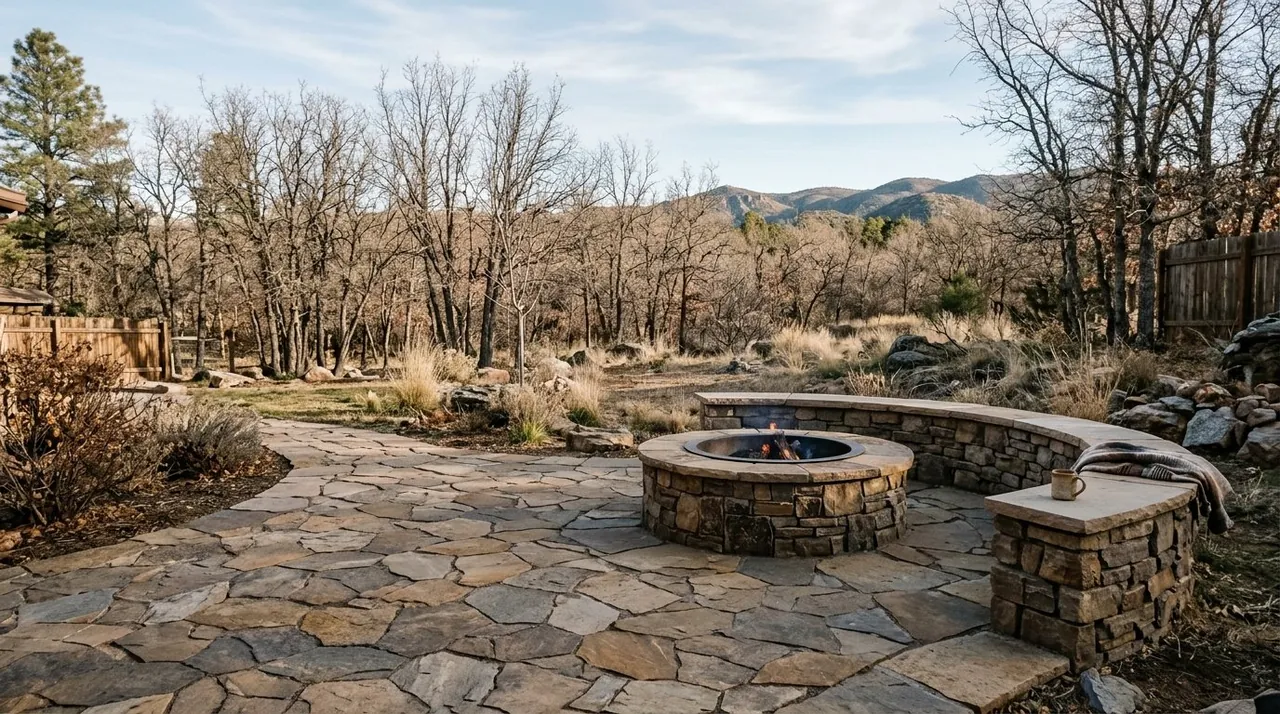
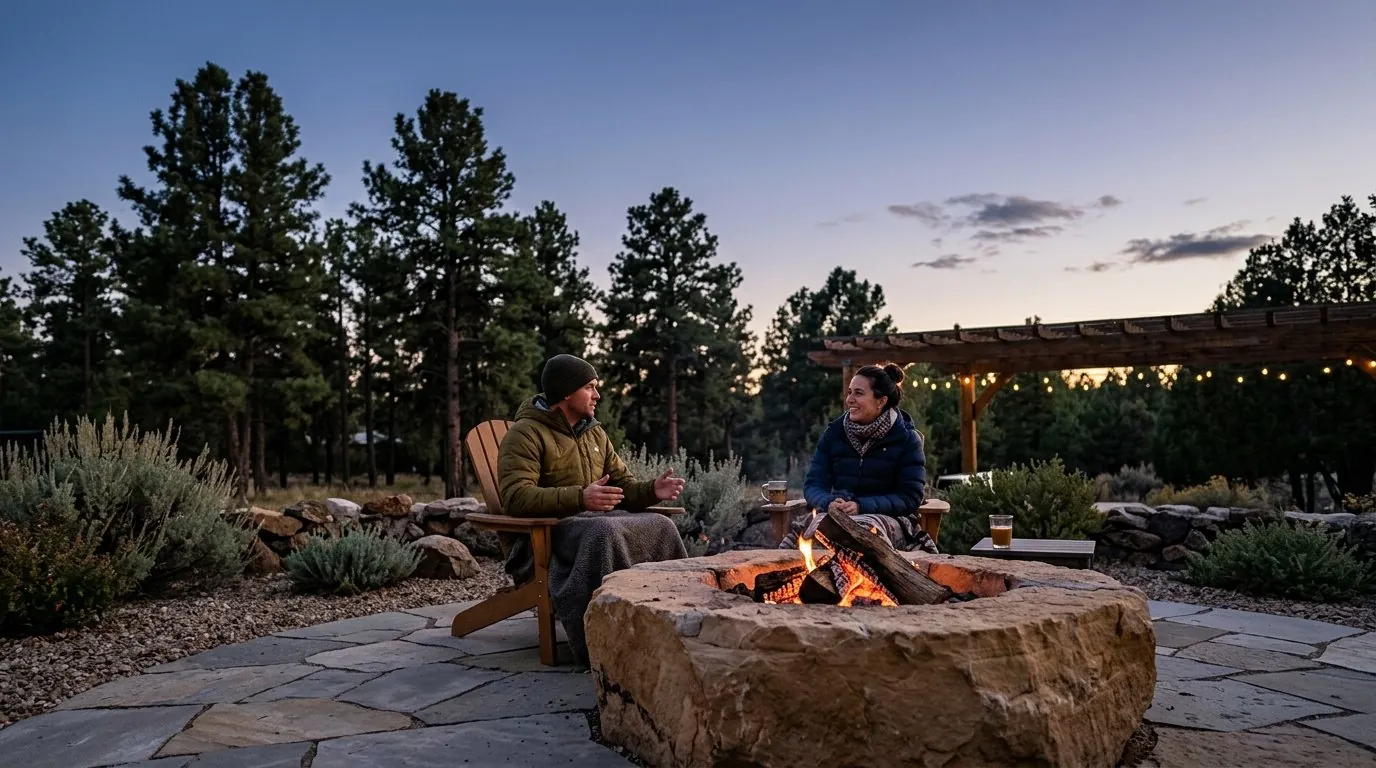
Discover why outdoor fire pits in Prescott are the perfect fall upgrade for high-elevation backyards, plus design tips, safety rules, and cost insight.
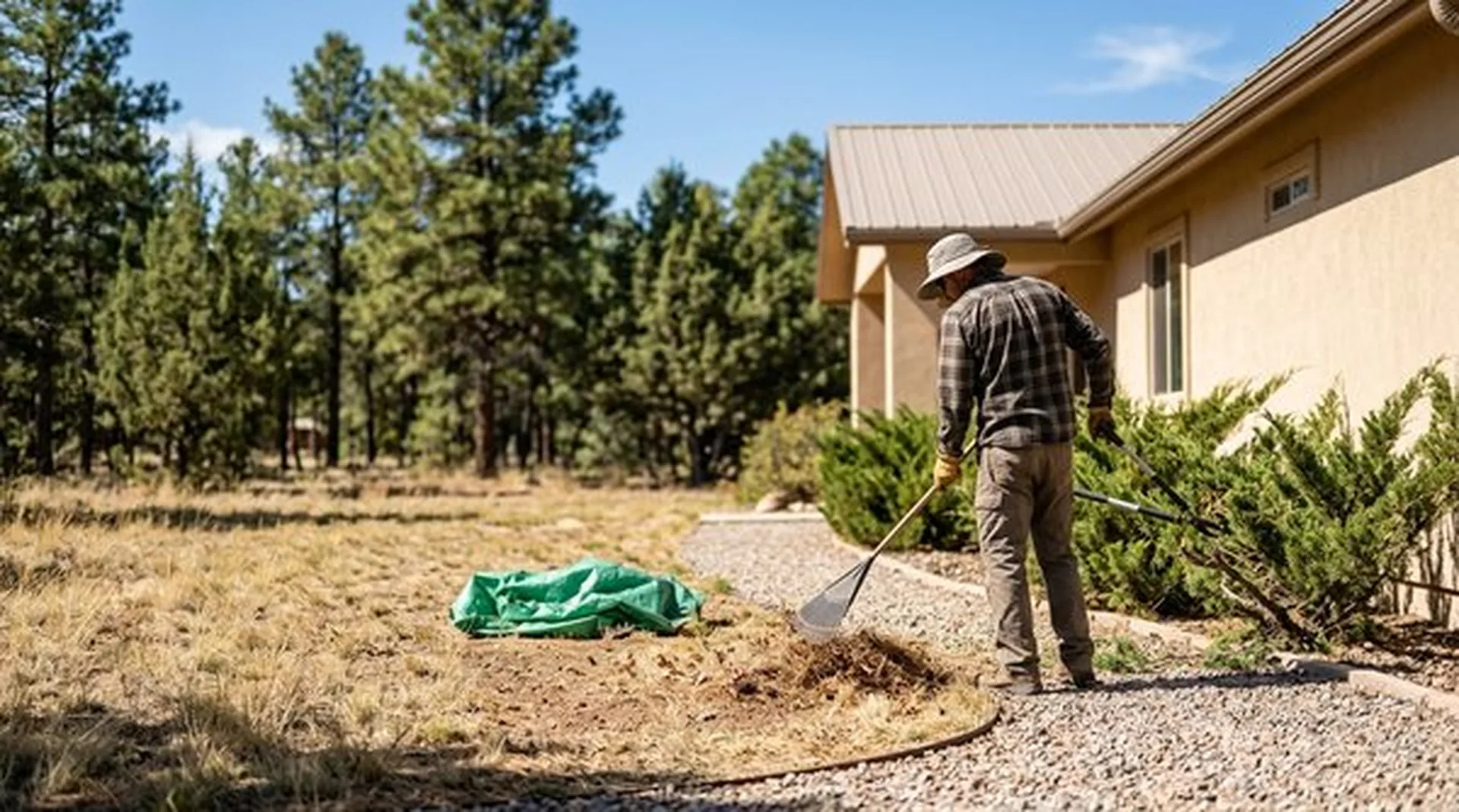
Protect your Prescott home with firewise landscaping. Learn how defensible space, hardscaping, and smart plant choices reduce wildfire risk in 2026.
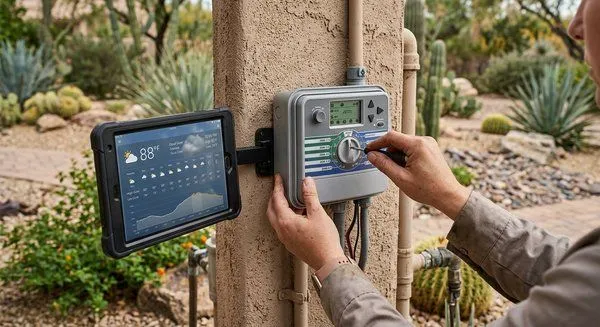
Smart irrigation systems help Prescott homeowners cut water waste, stay code-compliant, and keep plants thriving through monsoons and dry seasons alike.
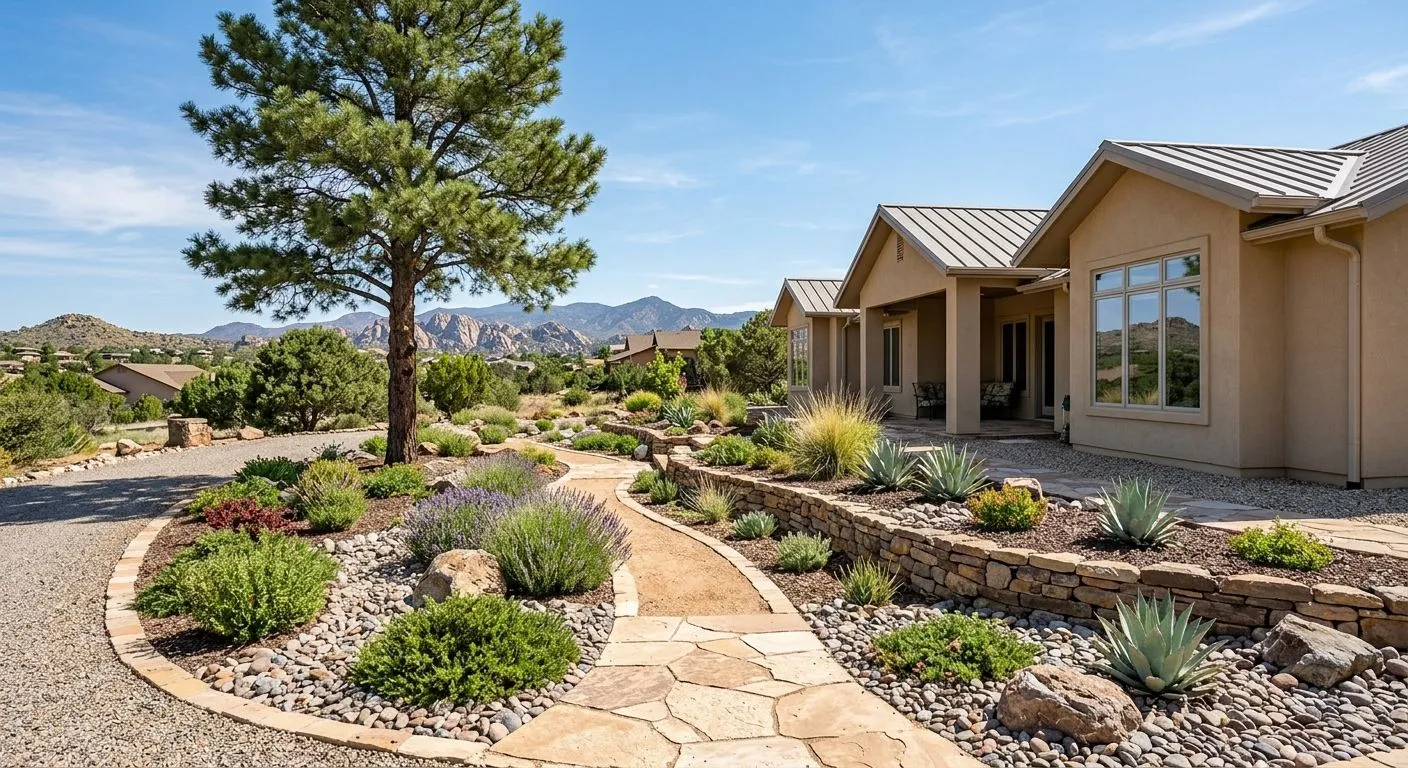
Discover how Prescott, AZ homeowners can protect their property from wildfire, erosion, and drought with smart hardscaping, paver patios, retaining walls, and xeriscaping strategies from local experts.
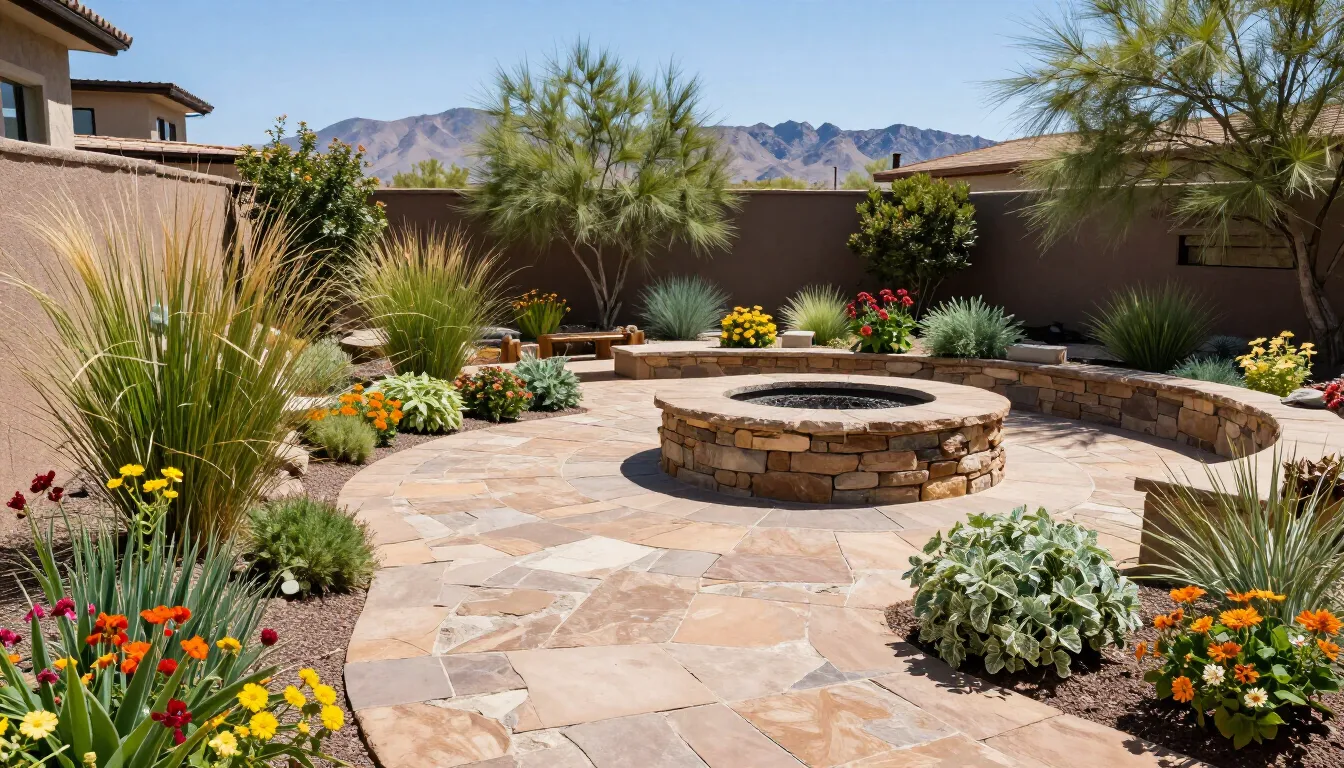
Discover expert softscape design tips for balancing patios, pavers, and other hardscape features in Prescott landscapes. Learn how plants, lawns, and texture create beautiful outdoor spaces.

Upgrade your outdoor space with precision lighting installation in Prescott AZ. We design custom landscape lighting for beauty, safety, and curb appeal!

Enhance your home with North Country Landscaping. We provide expert outdoor lighting installation to boost security & beauty for all outdoor lighting Prescott needs!
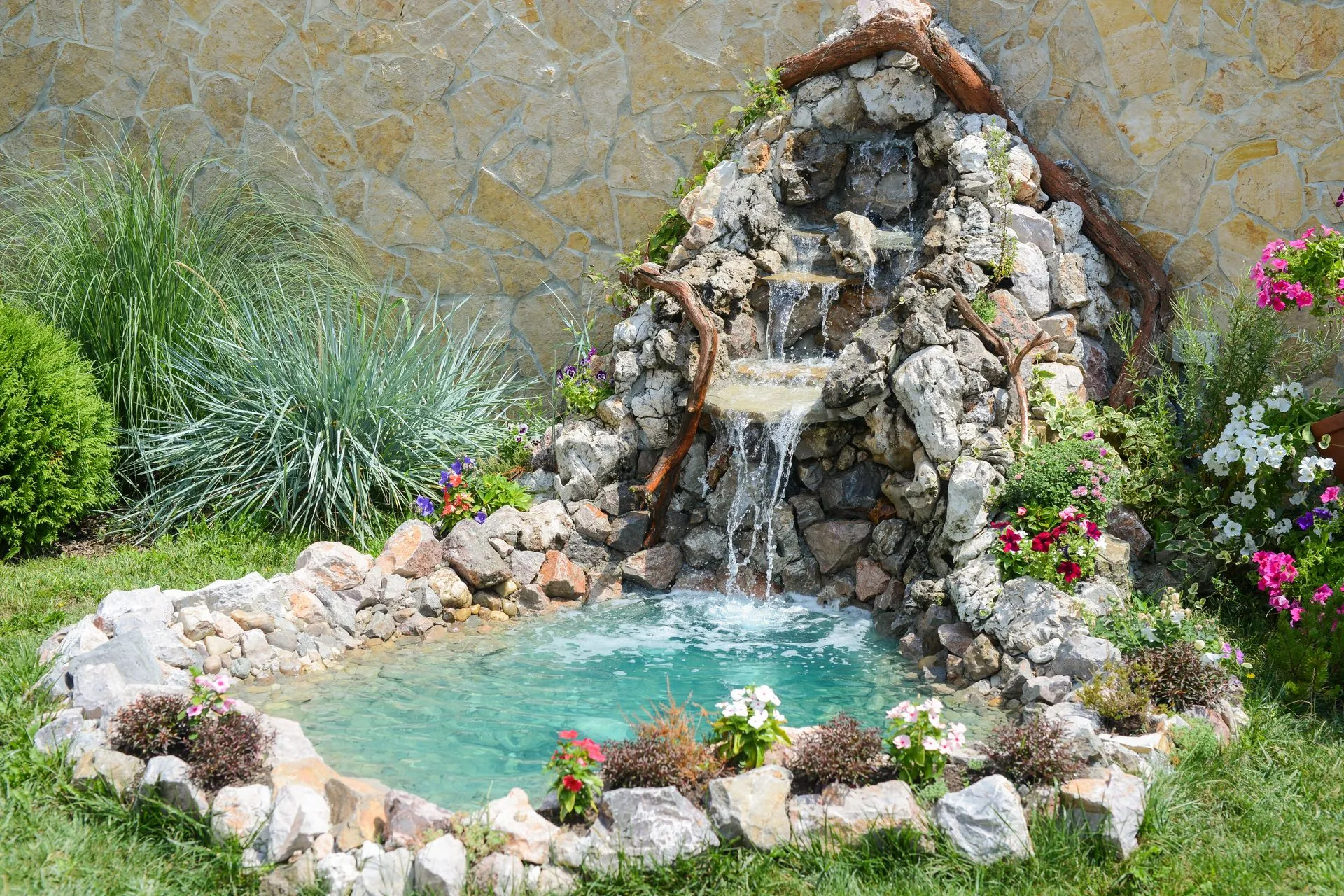
Discover how water features in Prescott, AZ enhance landscape design. Learn ideas, benefits, & tips from North Country Landscaping in Prescott. Call (928) 830-7446!
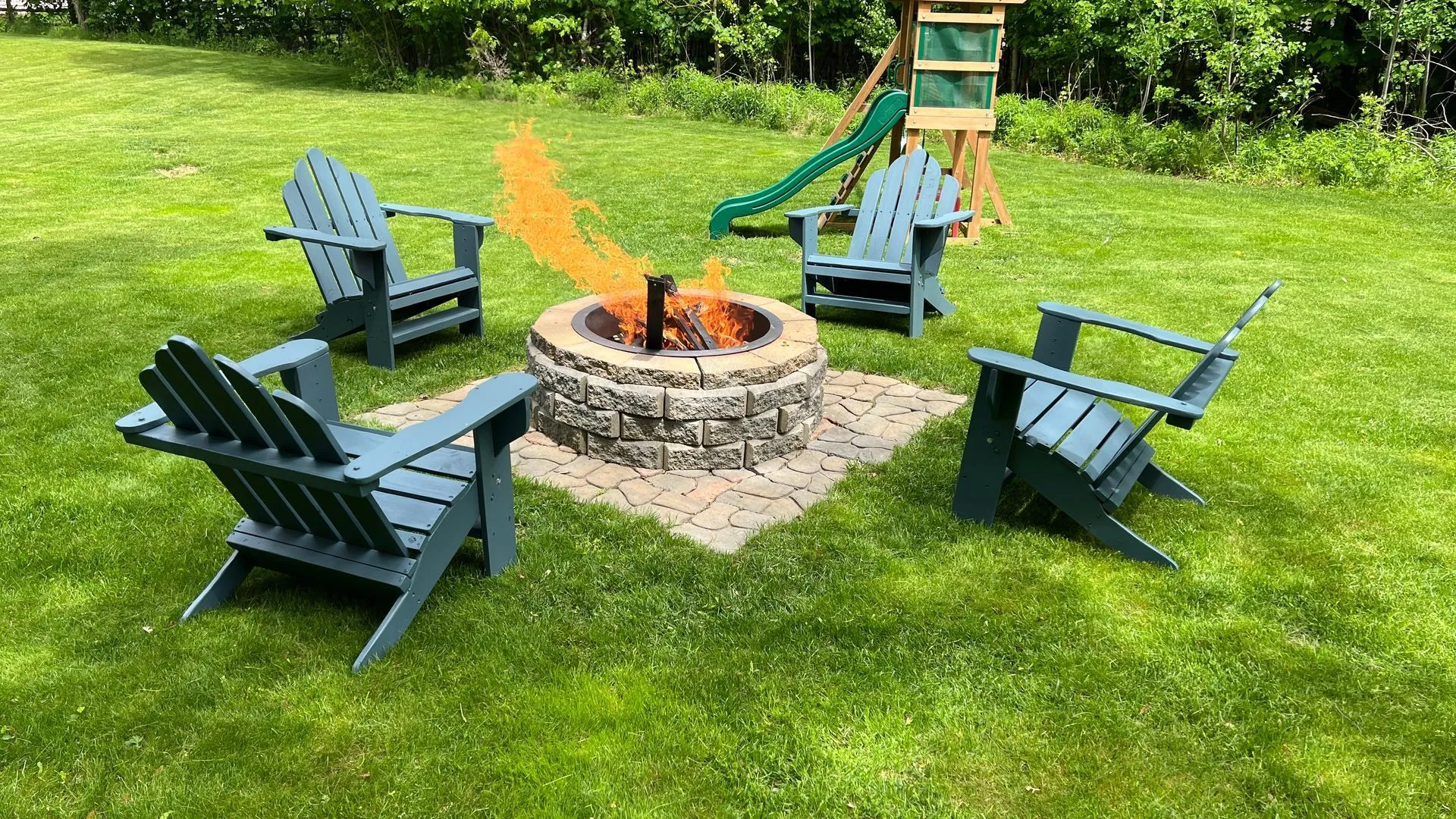
Design custom outdoor fire pits in Prescott for year-round comfort & style. North Country Landscaping creates durable, beautiful fire pits. Call (928) 830-7446 now!
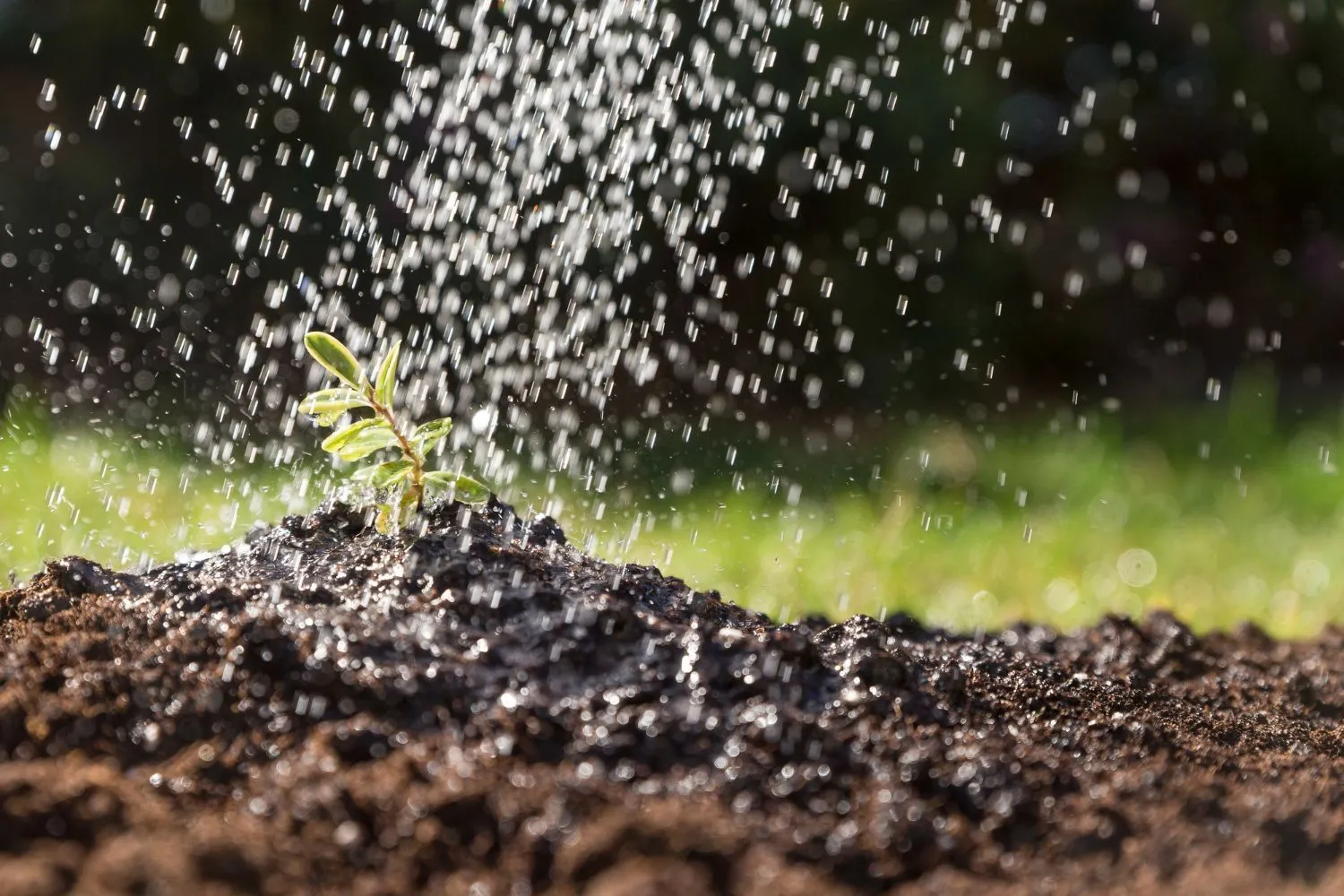
Discover how hydroseeding in Prescott, AZ is transforming landscaping with faster lawn growth, erosion control, and cost-effective, sustainable results.
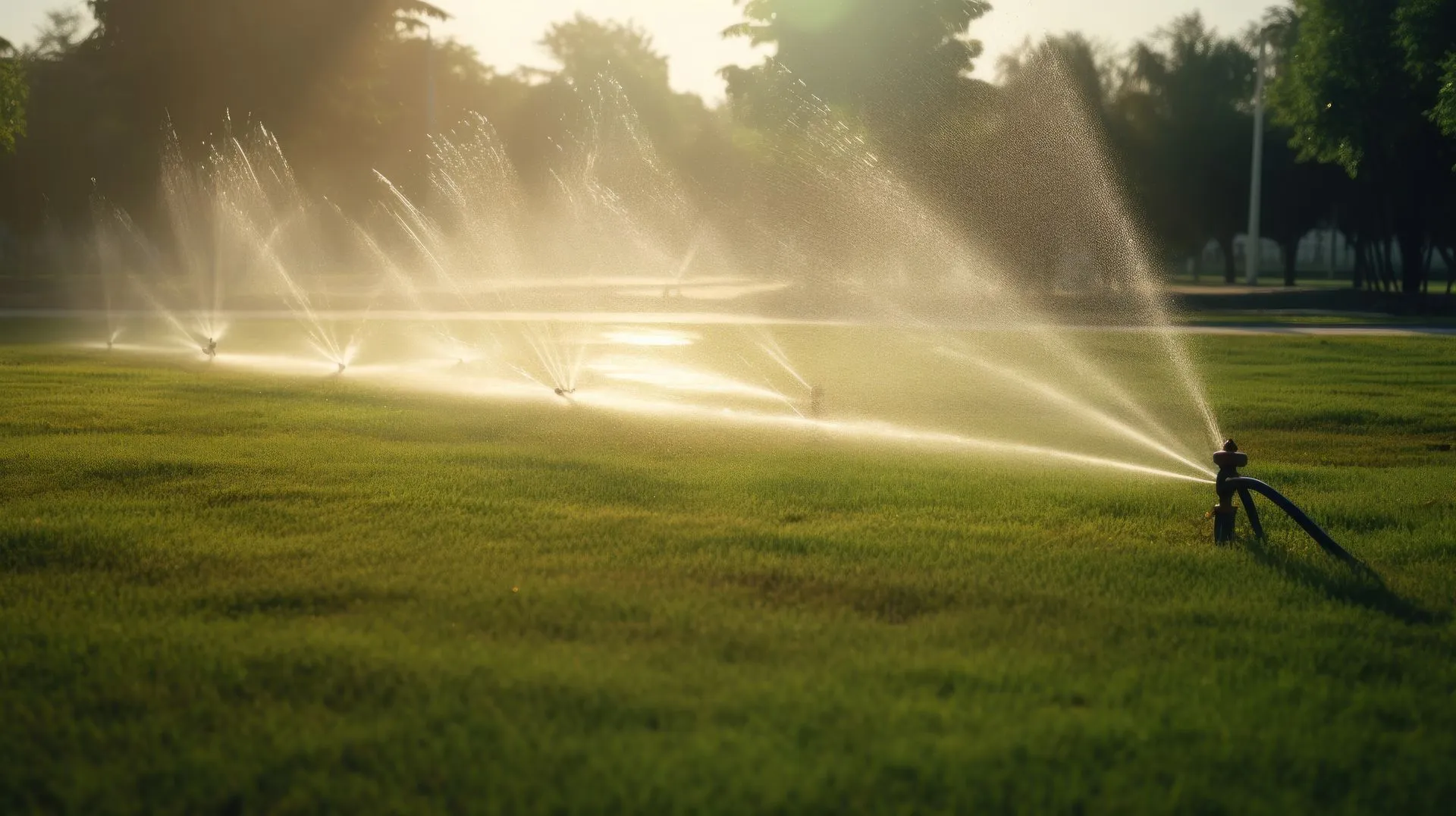
Efficient irrigation systems in Prescott, AZ designed for arid climates. Learn how smart landscape irrigation design saves water and protects your plants year-round.
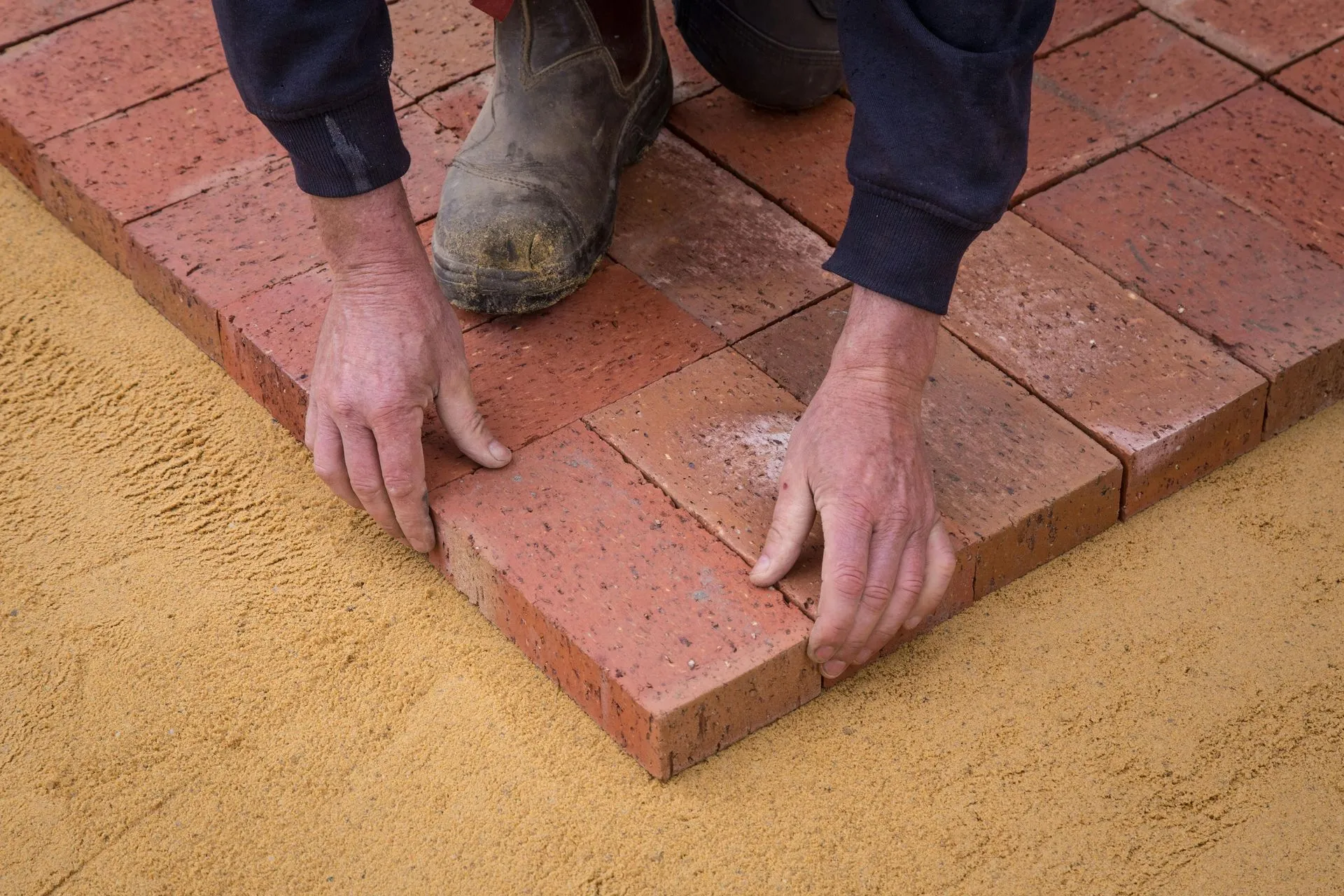
Discover how hardscaping enhances modern landscape design in Prescott. North Country Landscaping offers expert hardscaping services. Call (928) 830-7446 today.
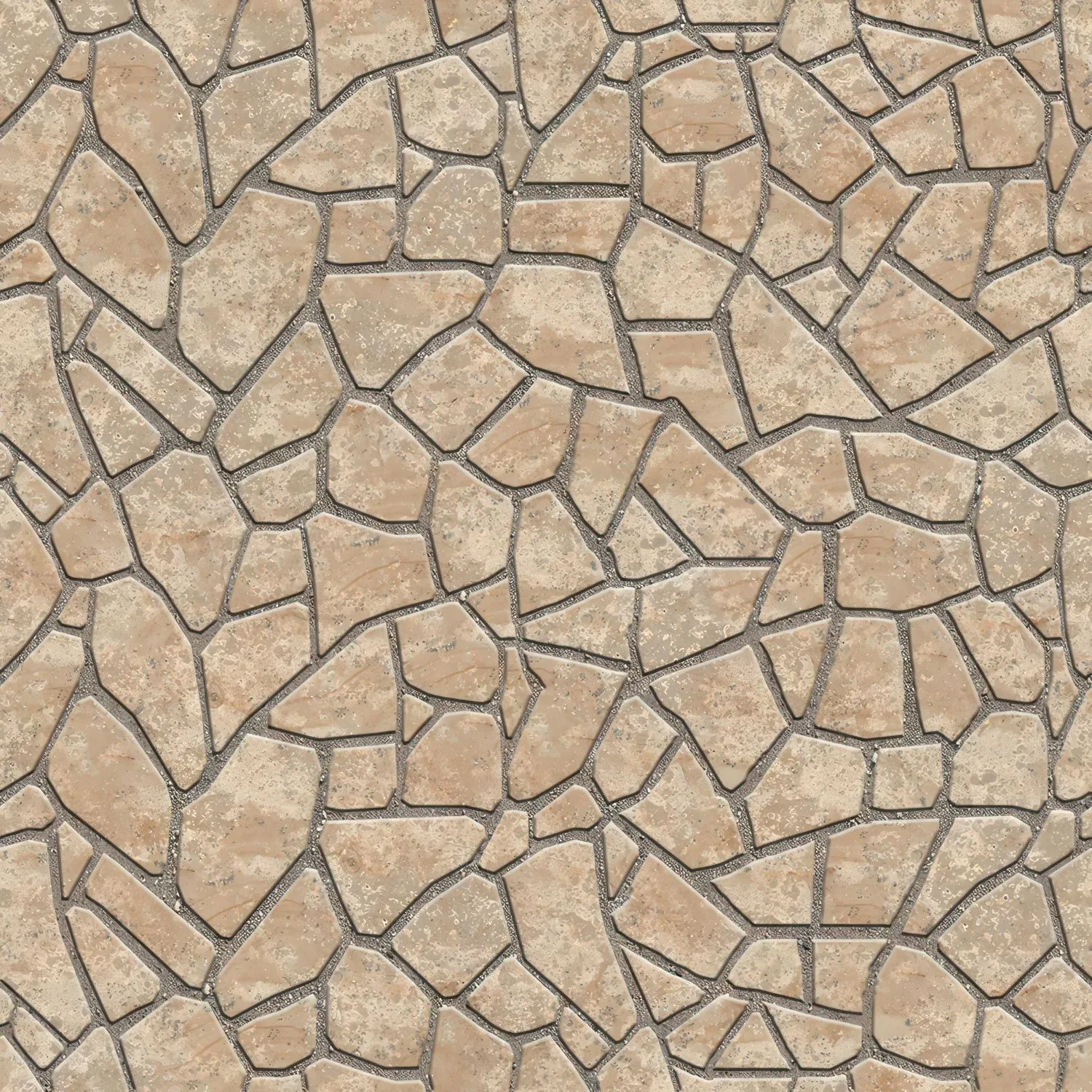
Plan your perfect flagstone walkway in Prescott, AZ. Learn design, material, and installation tips from North Country Landscaping. Call (928) 830-7446 today!
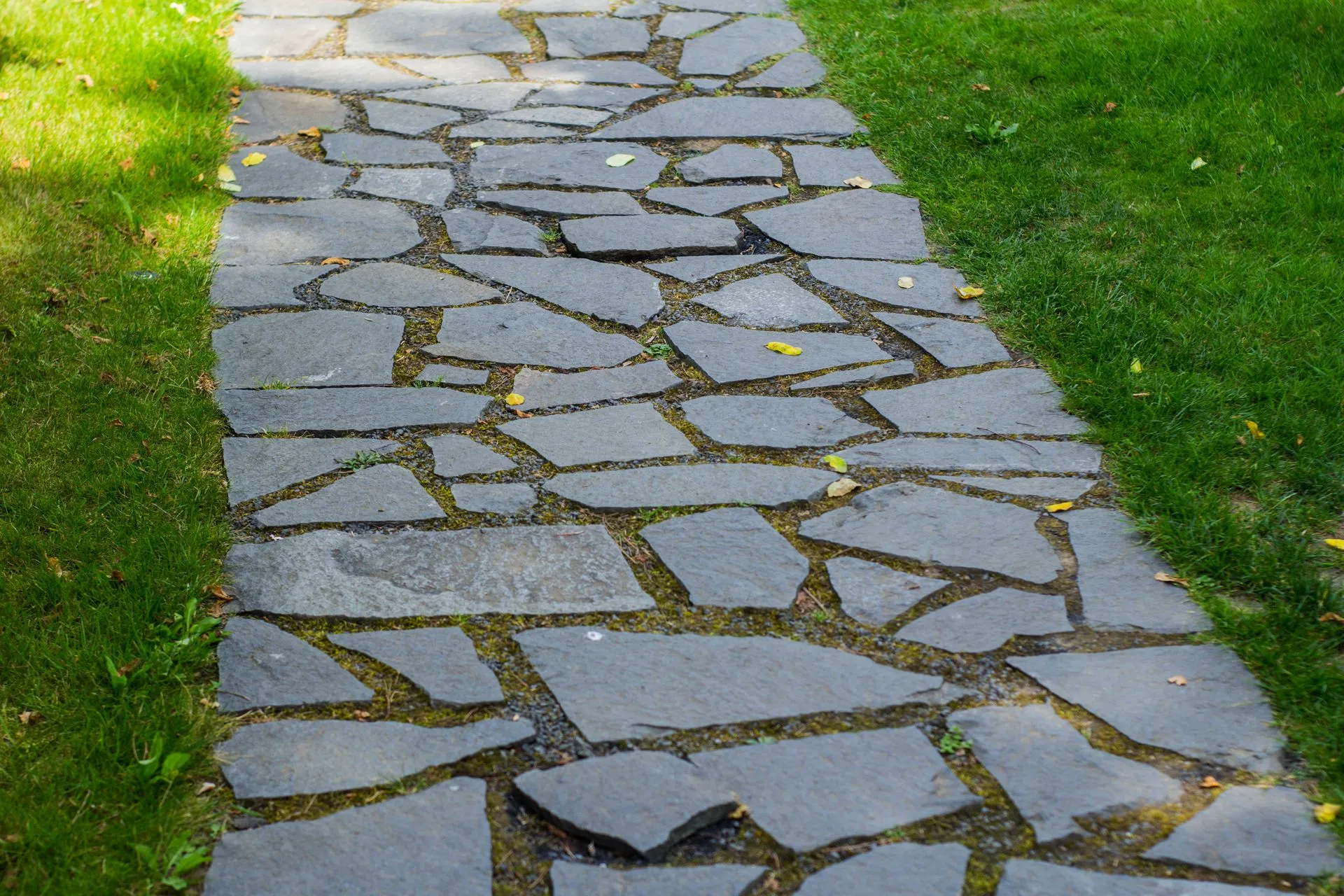
Hardscaping in Prescott offers beauty, durability, and low maintenance in Arizona’s dry climate. North Country Landscaping designs outdoor spaces that save water and boost value.
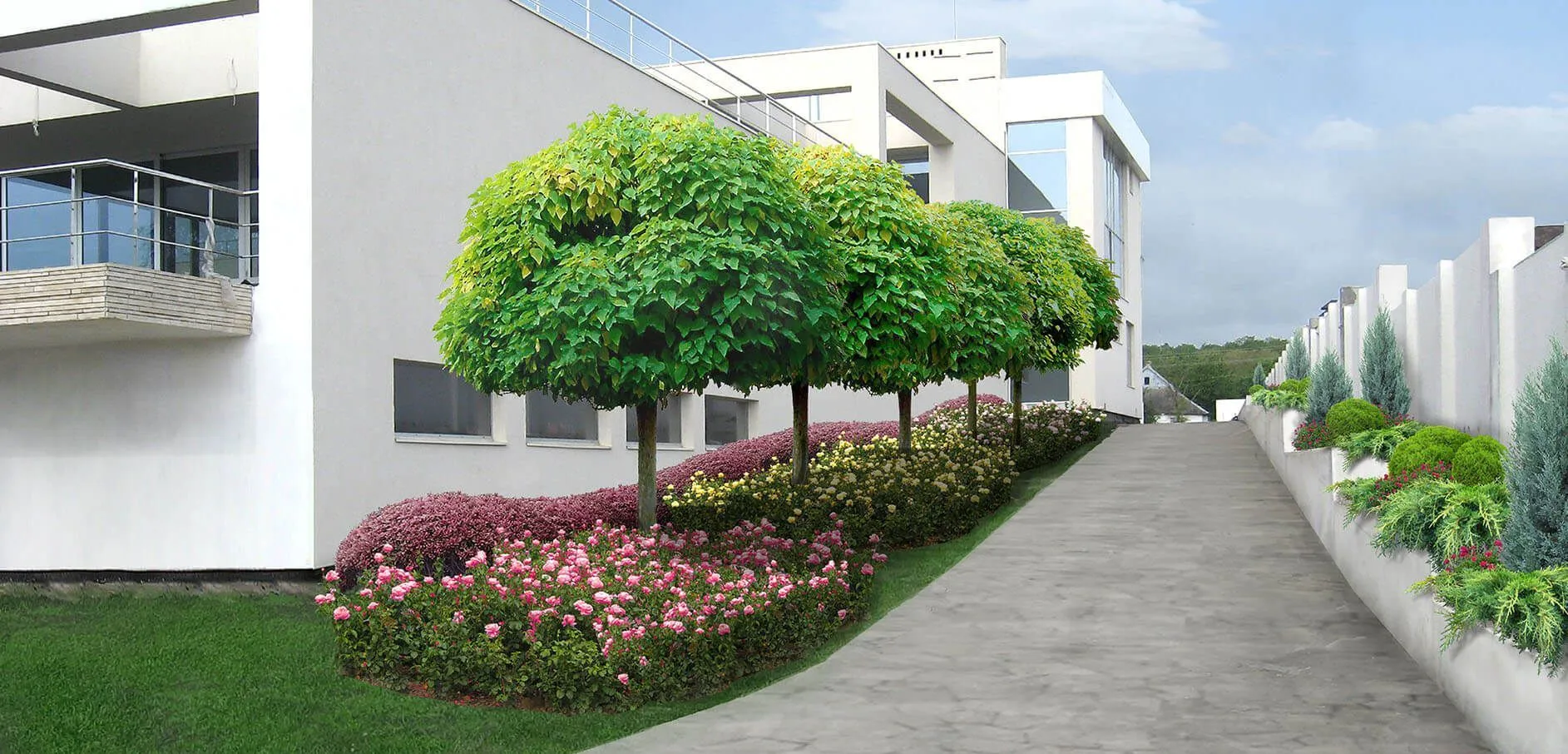
Discover modern landscape design trends for Prescott homeowners. North Country Landscaping creates sustainable, stylish outdoor spaces. Call (928) 830-7446.
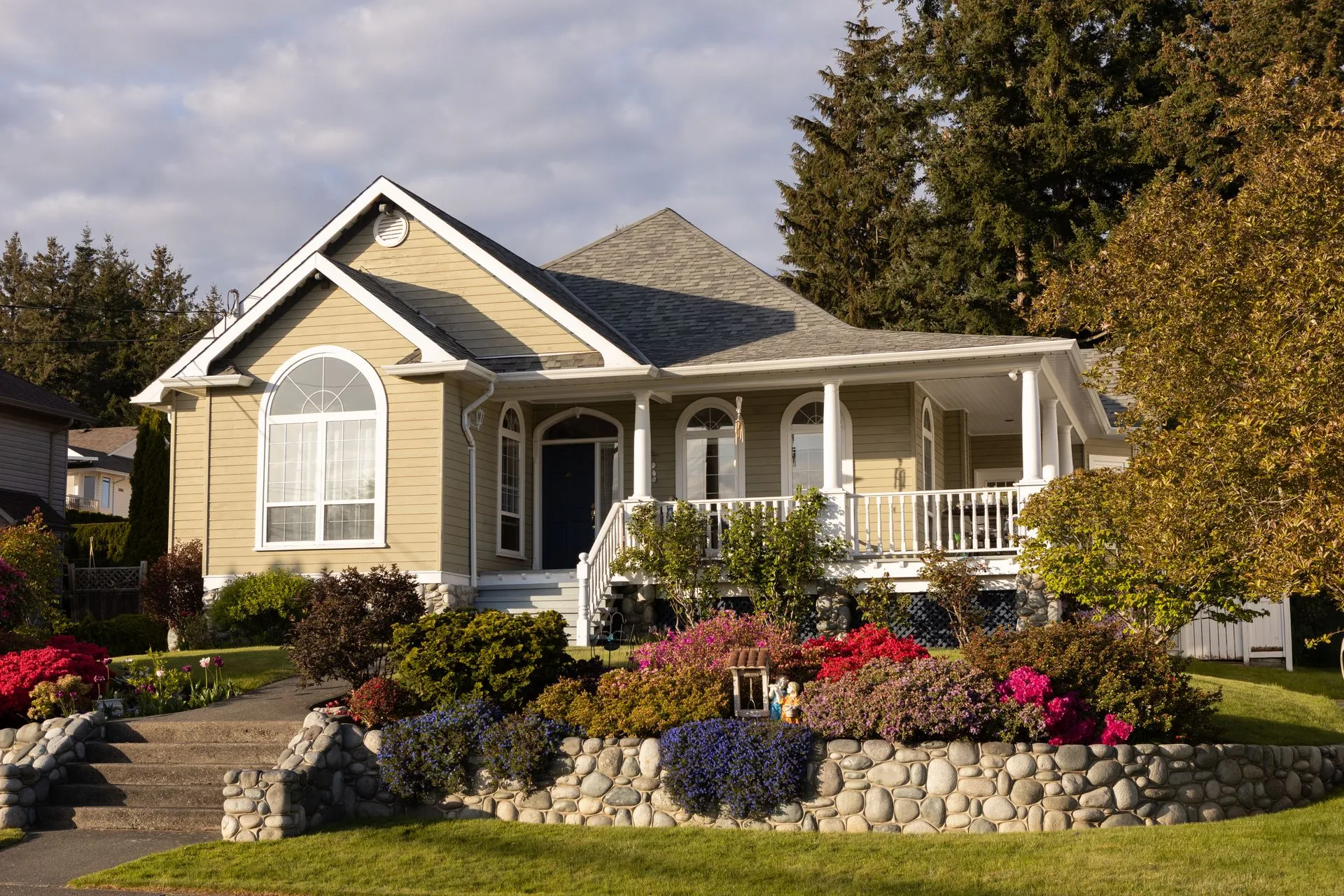
Discover how custom landscape design in Prescott, AZ boosts property value, improves curb appeal, and creates functional outdoor spaces. Call (928) 830-7446 today!
Discover why outdoor fire pits in Prescott are the perfect fall upgrade for high-elevation backyards, plus design tips, safety rules, and cost insight.
Protect your Prescott home with firewise landscaping. Learn how defensible space, hardscaping, and smart plant choices reduce wildfire risk in 2026.
Smart irrigation systems help Prescott homeowners cut water waste, stay code-compliant, and keep plants thriving through monsoons and dry seasons alike.
Discover how Prescott, AZ homeowners can protect their property from wildfire, erosion, and drought with smart hardscaping, paver patios, retaining walls, and xeriscaping strategies from local experts.
Discover expert softscape design tips for balancing patios, pavers, and other hardscape features in Prescott landscapes. Learn how plants, lawns, and texture create beautiful outdoor spaces.
Upgrade your outdoor space with precision lighting installation in Prescott AZ. We design custom landscape lighting for beauty, safety, and curb appeal!
Enhance your home with North Country Landscaping. We provide expert outdoor lighting installation to boost security & beauty for all outdoor lighting Prescott needs!
Discover how water features in Prescott, AZ enhance landscape design. Learn ideas, benefits, & tips from North Country Landscaping in Prescott. Call (928) 830-7446!
Design custom outdoor fire pits in Prescott for year-round comfort & style. North Country Landscaping creates durable, beautiful fire pits. Call (928) 830-7446 now!
Discover how hydroseeding in Prescott, AZ is transforming landscaping with faster lawn growth, erosion control, and cost-effective, sustainable results.
Efficient irrigation systems in Prescott, AZ designed for arid climates. Learn how smart landscape irrigation design saves water and protects your plants year-round.
Discover how hardscaping enhances modern landscape design in Prescott. North Country Landscaping offers expert hardscaping services. Call (928) 830-7446 today.
Plan your perfect flagstone walkway in Prescott, AZ. Learn design, material, and installation tips from North Country Landscaping. Call (928) 830-7446 today!
Hardscaping in Prescott offers beauty, durability, and low maintenance in Arizona’s dry climate. North Country Landscaping designs outdoor spaces that save water and boost value.
Discover modern landscape design trends for Prescott homeowners. North Country Landscaping creates sustainable, stylish outdoor spaces. Call (928) 830-7446.
Discover how custom landscape design in Prescott, AZ boosts property value, improves curb appeal, and creates functional outdoor spaces. Call (928) 830-7446 today!


