Why Prescott Homes Face a Unique Wildfire Threat
Prescott sits squarely in Yavapai County's wildland-urban interface, or WUI. This is the zone where neighborhoods blend directly into native vegetation. That geography creates a specific danger that many homeowners underestimate.
The biggest threat is not a wall of flame reaching your front door. Research shows that wind-blown embers are the primary cause of home ignition. These embers can travel more than a mile ahead of a fire front. They land in dry gutters, on wood decks, and in the shrubs planted right against your foundation.
This is why a proactive yard design matters so much. Your landscape is either part of the problem or part of the solution.
The Critical 30-Foot Zone Around Your Home
Defensible space starts with what experts call "Zone 1," the area within 30 feet of your structure. This is where your landscaping choices make the biggest difference.
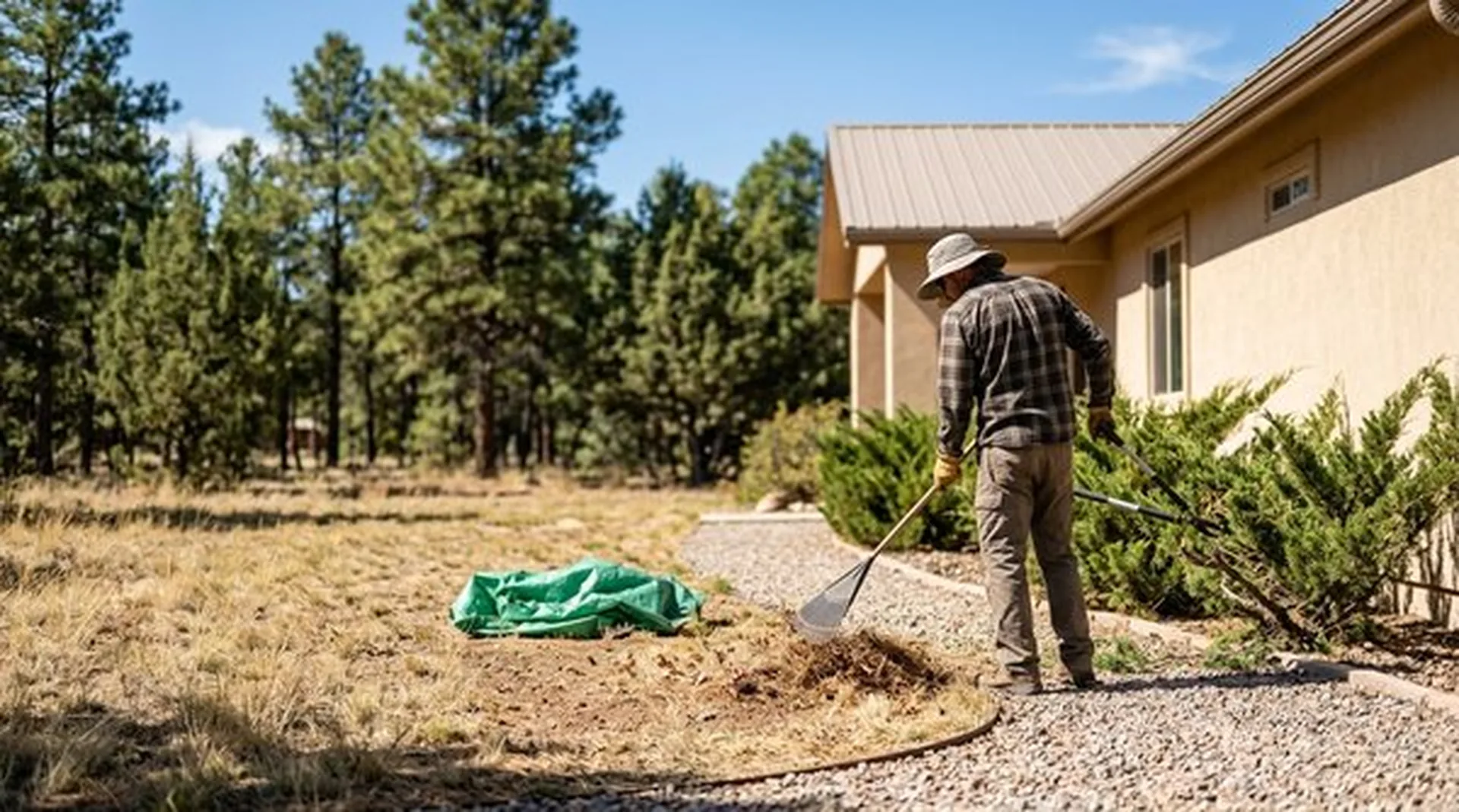
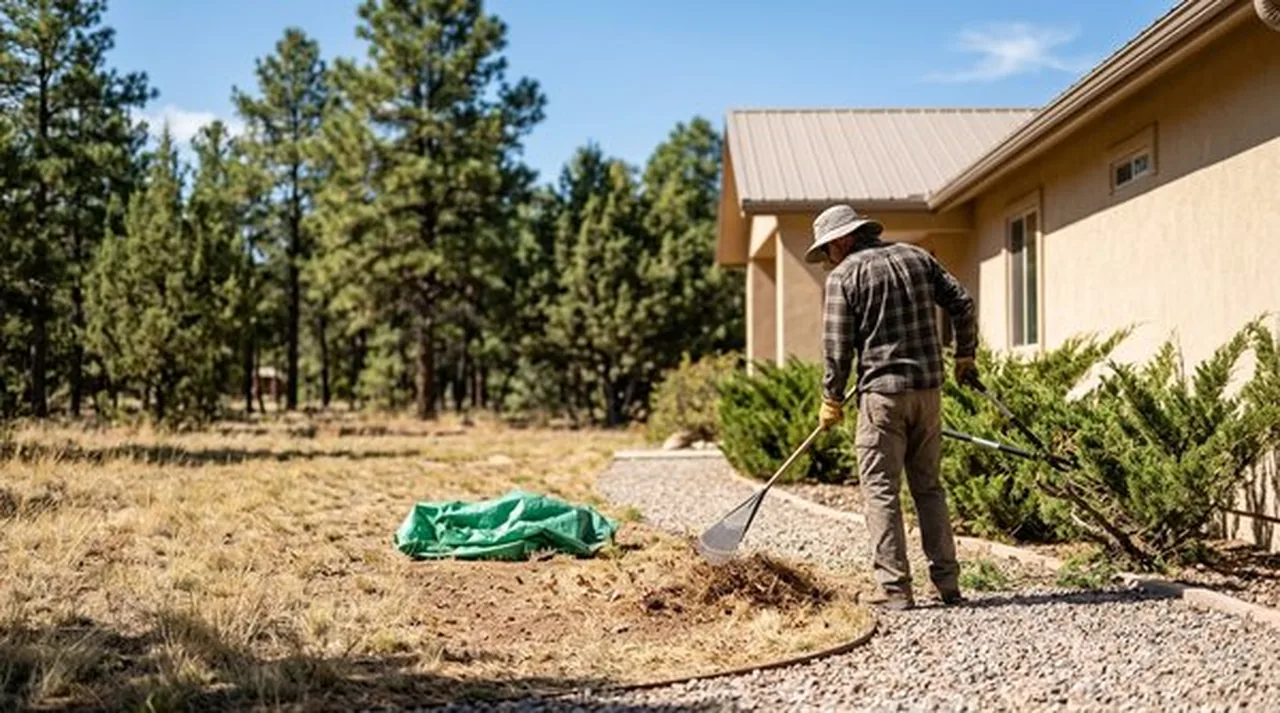
The main goal in this zone is eliminating "ladder fuels." Ladder fuels are vertical pathways of vegetation that allow fire to climb from the ground up into the tree canopy. Think of tall, dry weeds growing beneath the low branches of a juniper. That combination turns a ground fire into a crown fire in seconds.
To reduce ladder fuels effectively, focus on these steps:
- Remove dead plant material, dry grasses, and accumulated debris regularly.
- Keep any remaining lawn or native grass mowed to a maximum height of four inches.
- Trim the lower branches of trees so they do not hang close to the ground.
- Space shrubs and plants so fire cannot easily jump between them.
- Clear a clean zone of non-combustible material directly against your home's foundation.
Getting a handle on lawn care in this zone is not just about aesthetics. It is a direct fire mitigation strategy.
Hardscaping as Your First Line of Defense
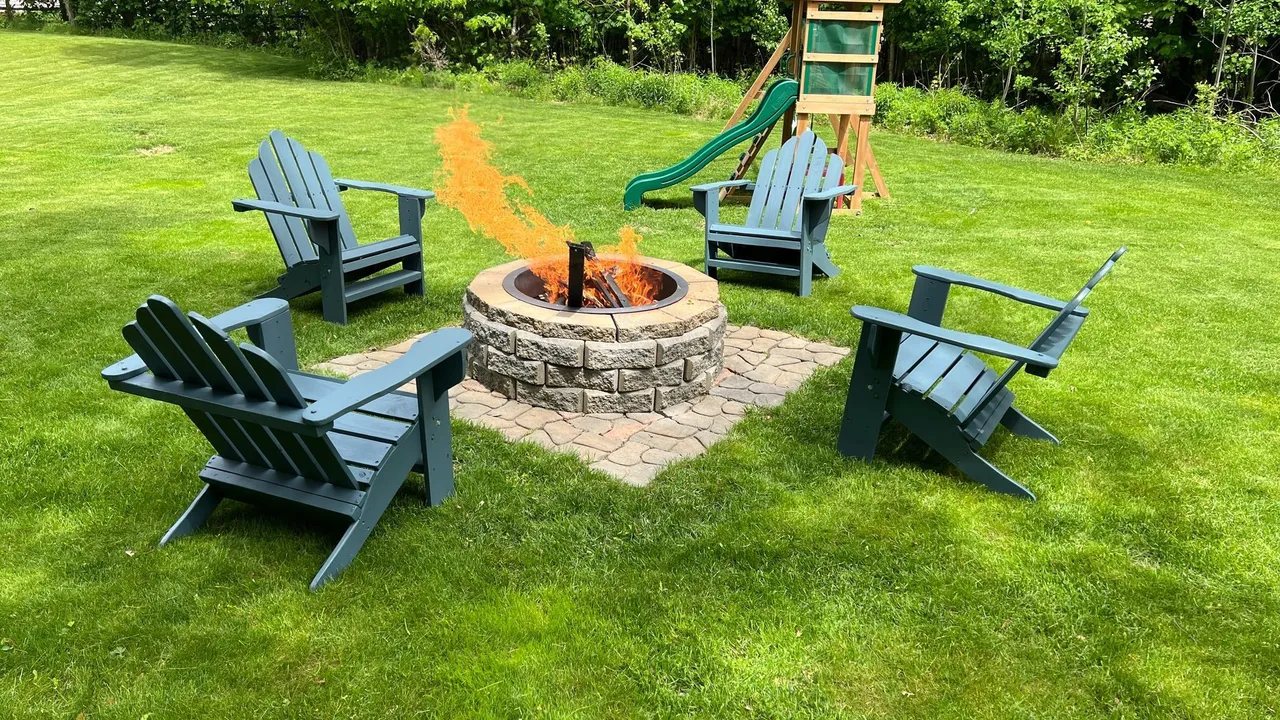
One of the most effective firewise strategies in 2026 is replacing flammable materials near the home with non-combustible hardscaping. This is where good landscape design and fire safety work hand in hand.
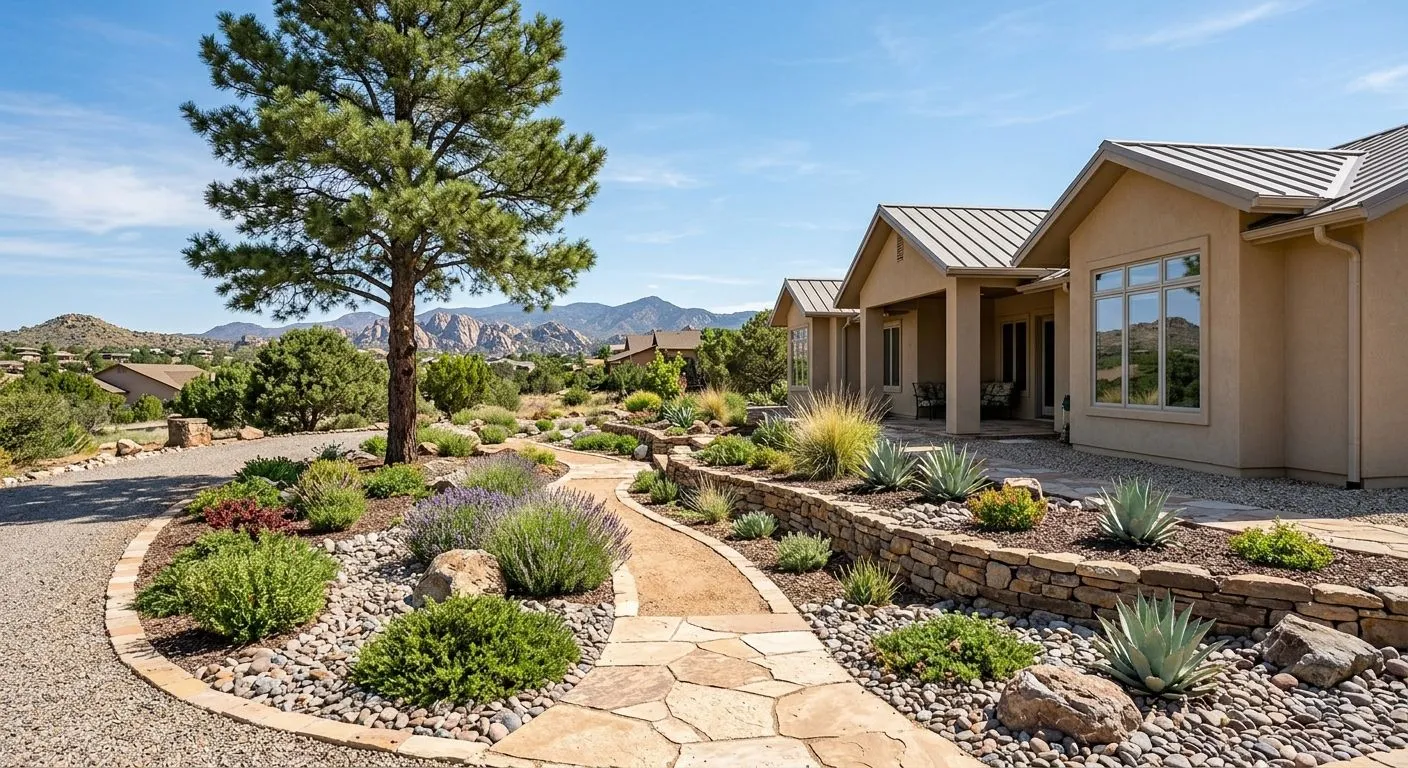
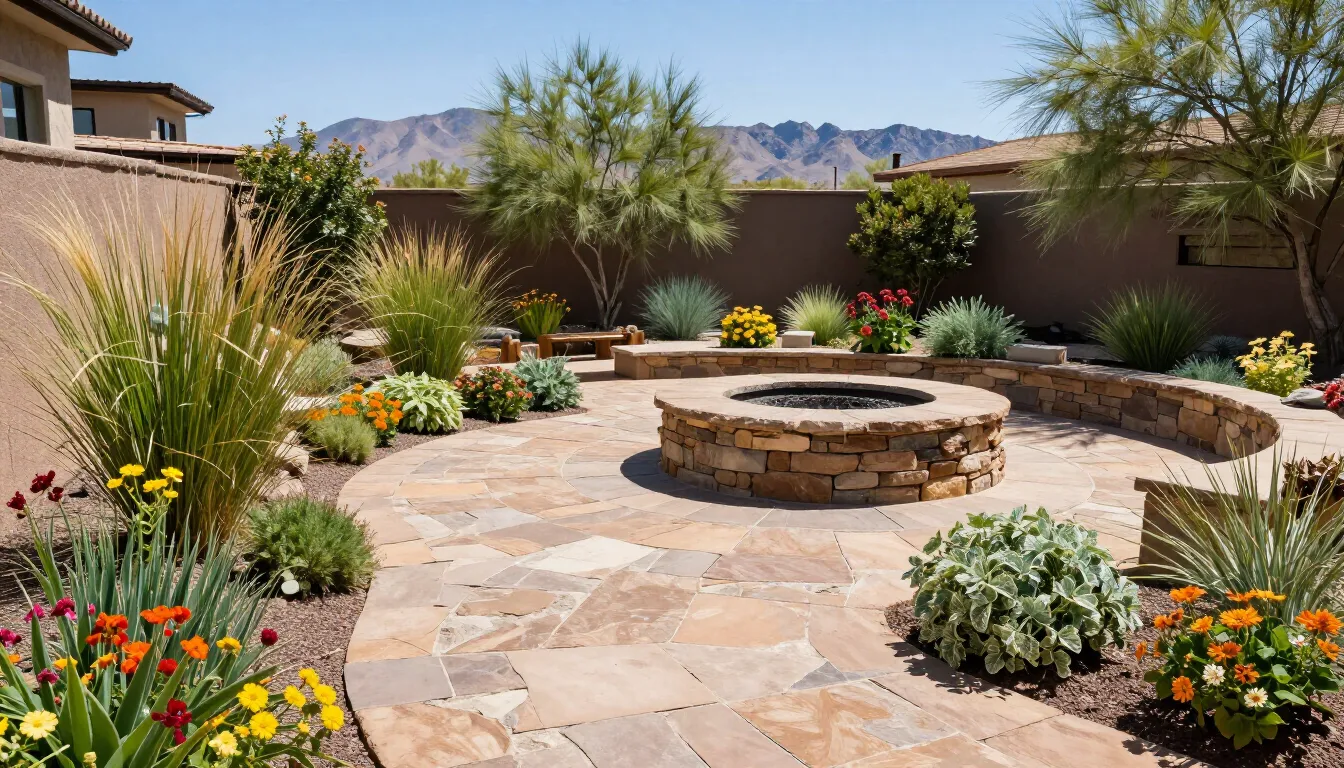
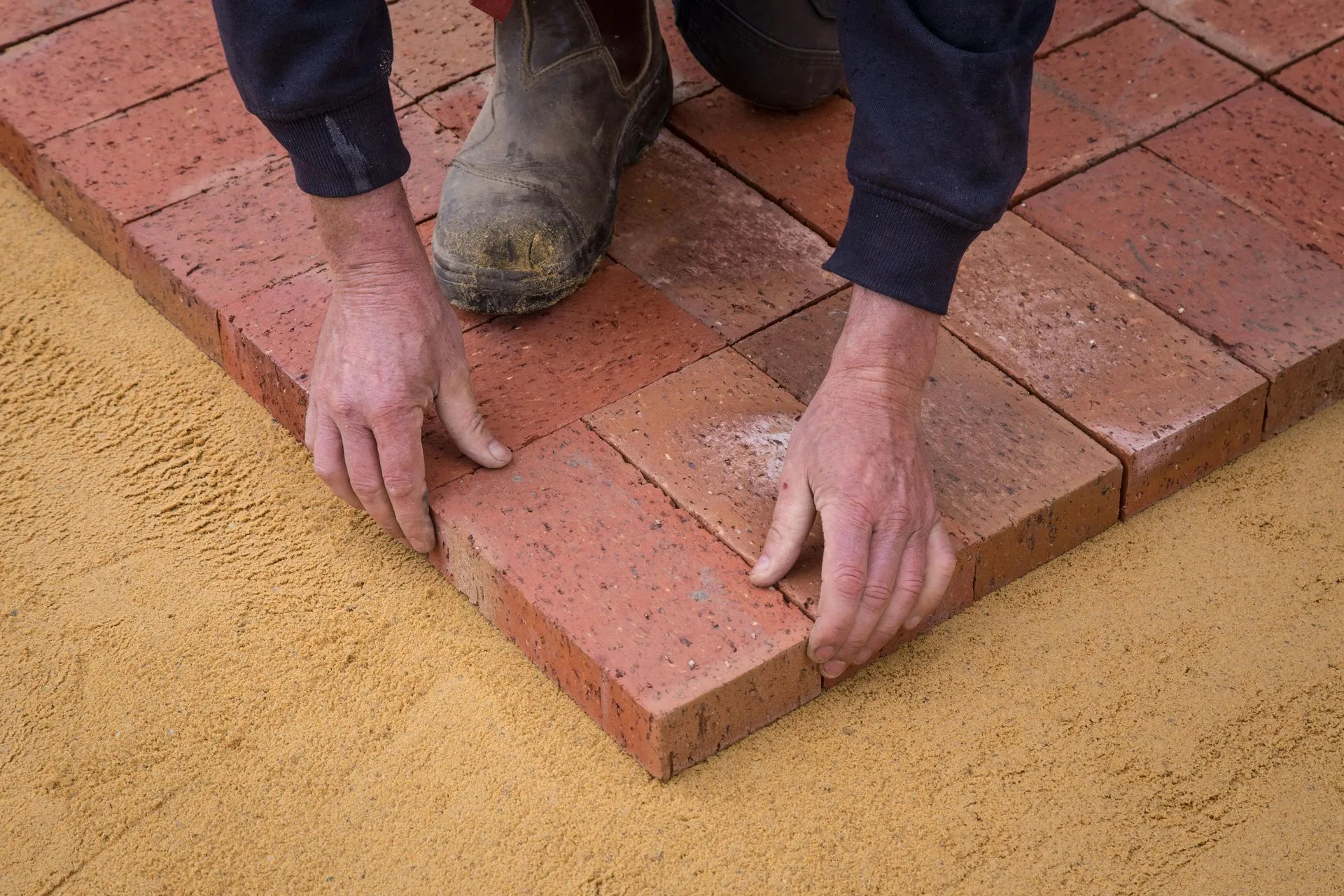
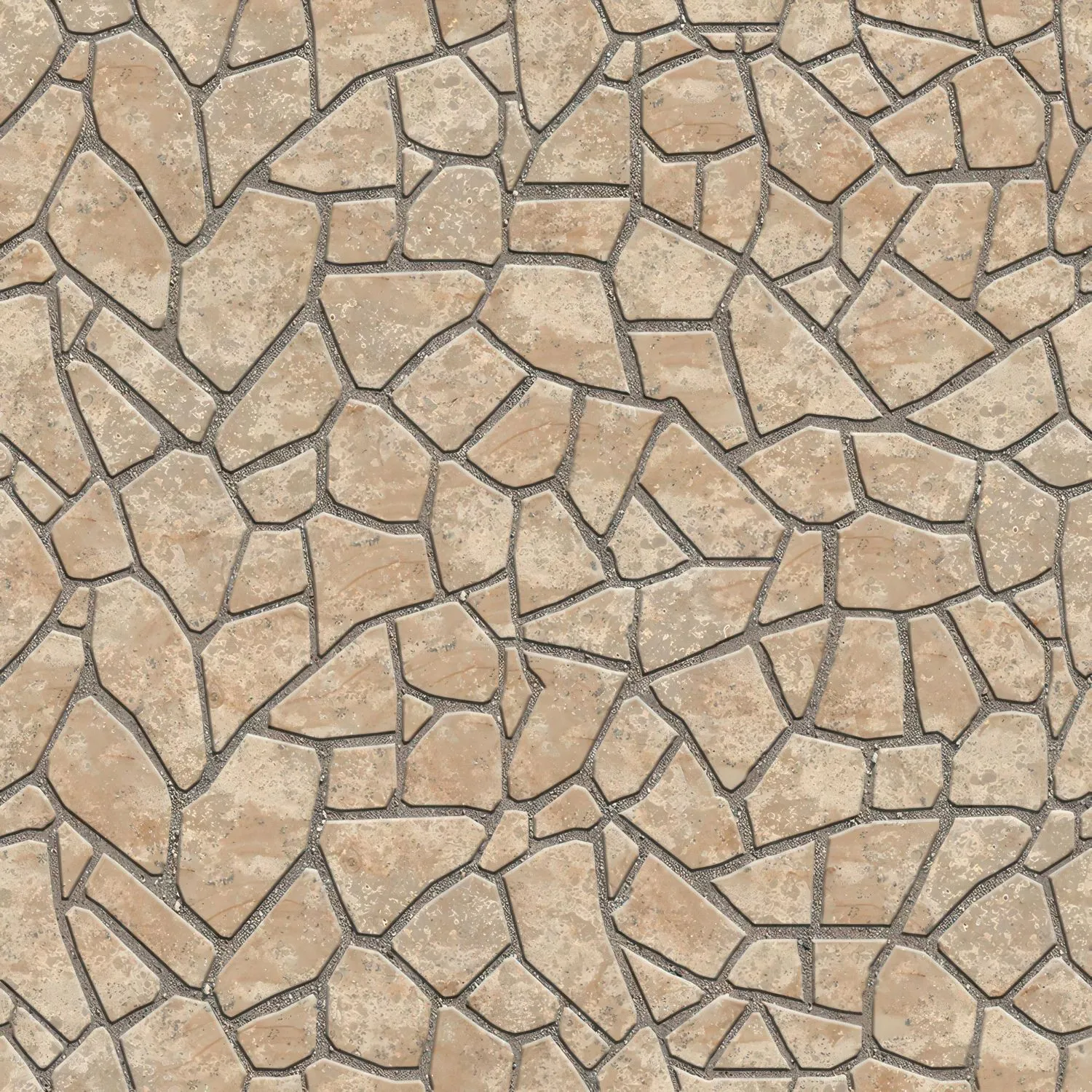
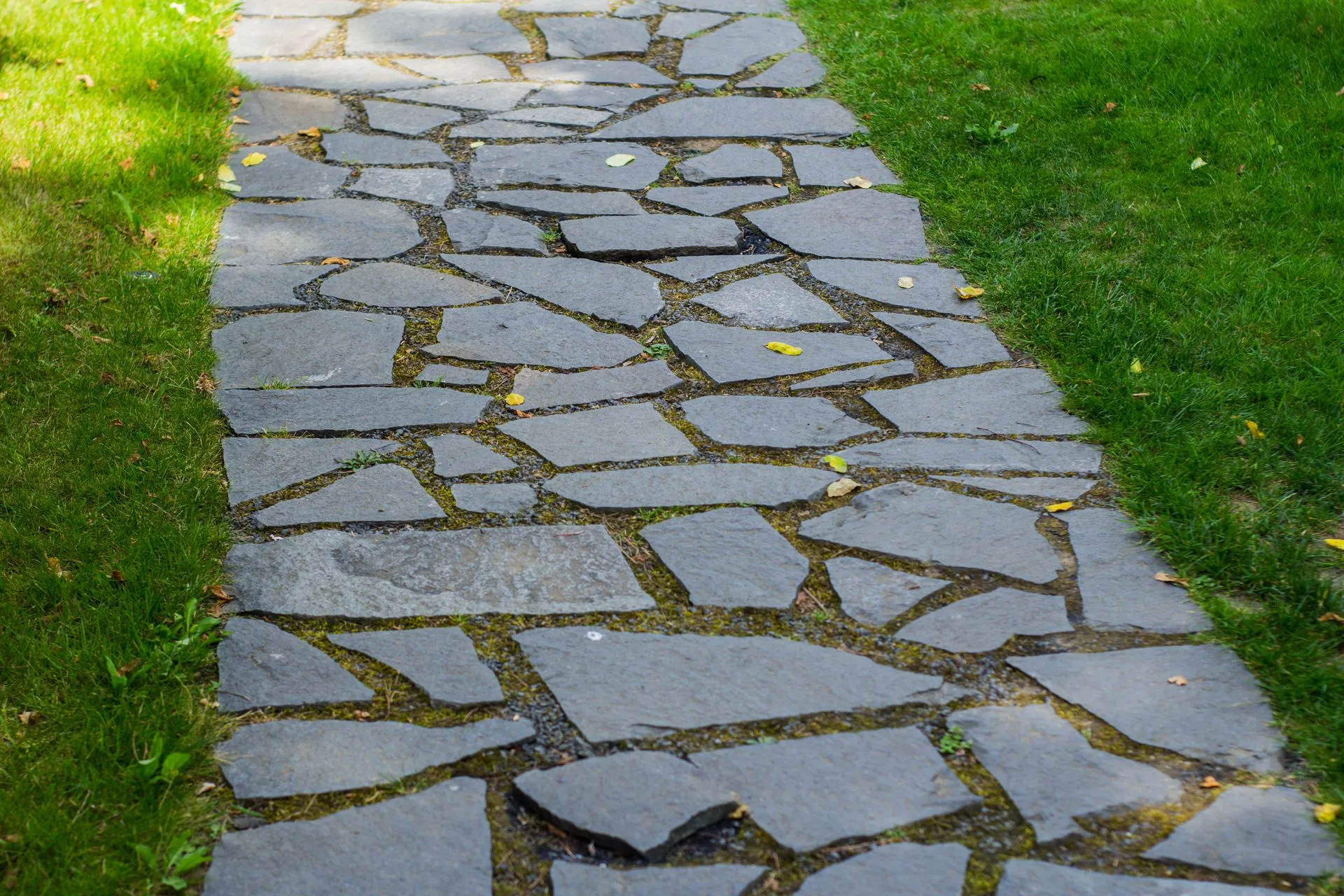
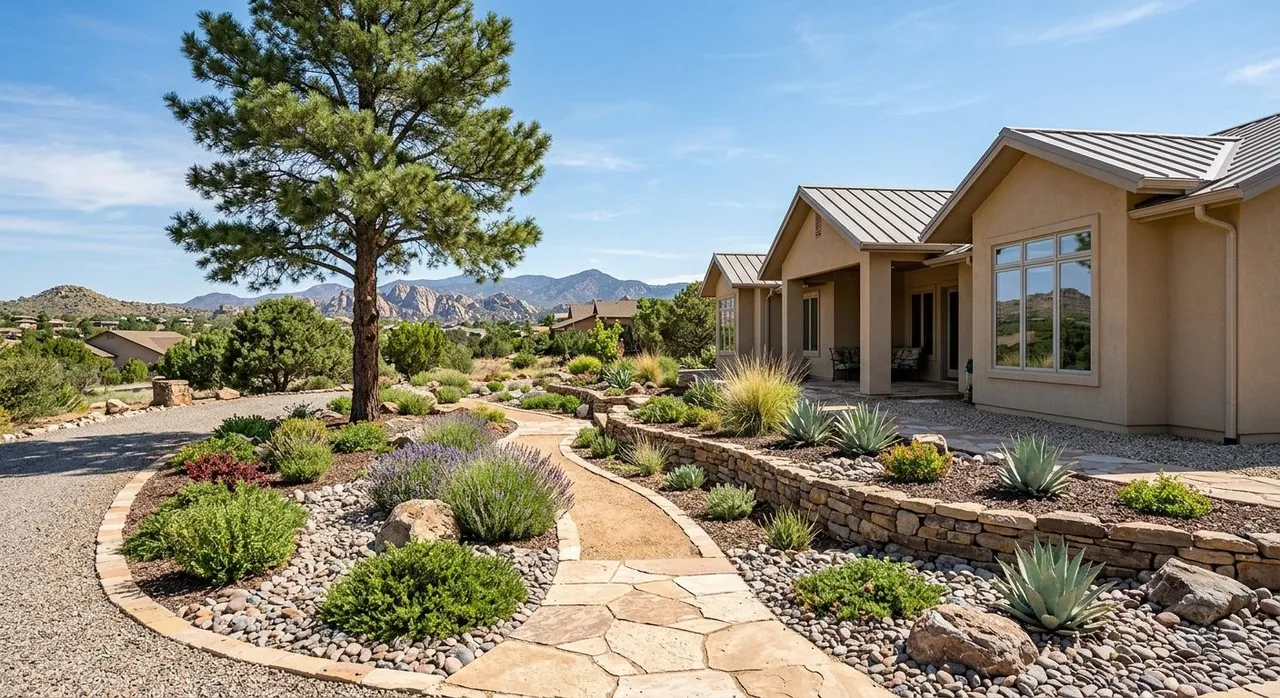
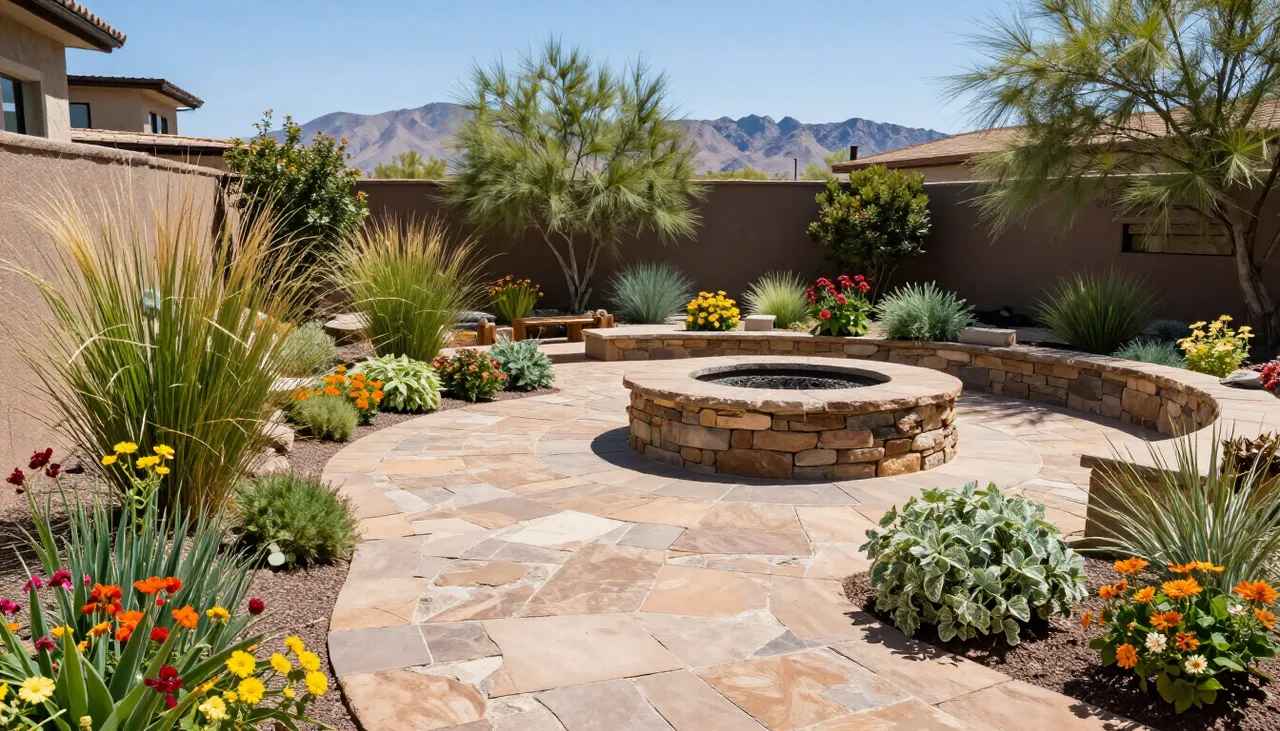
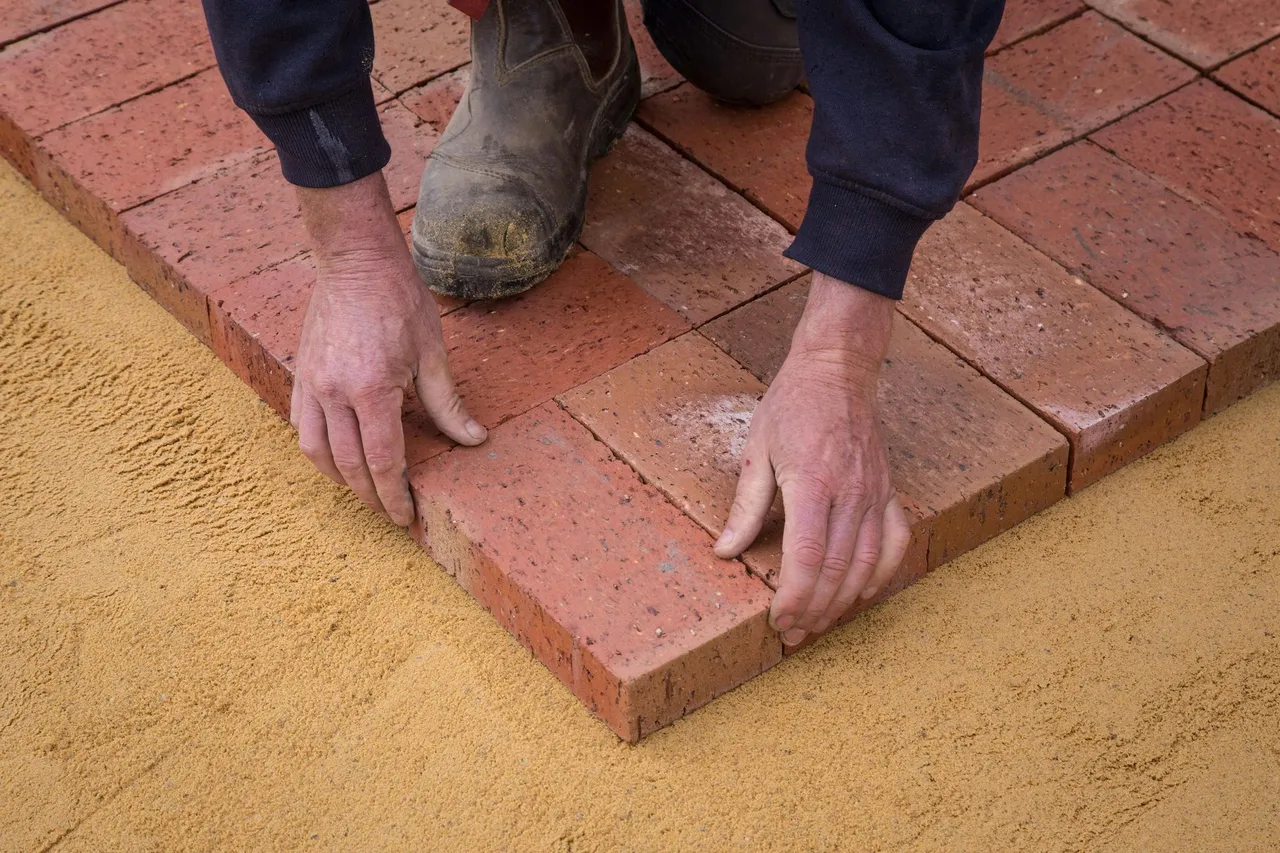
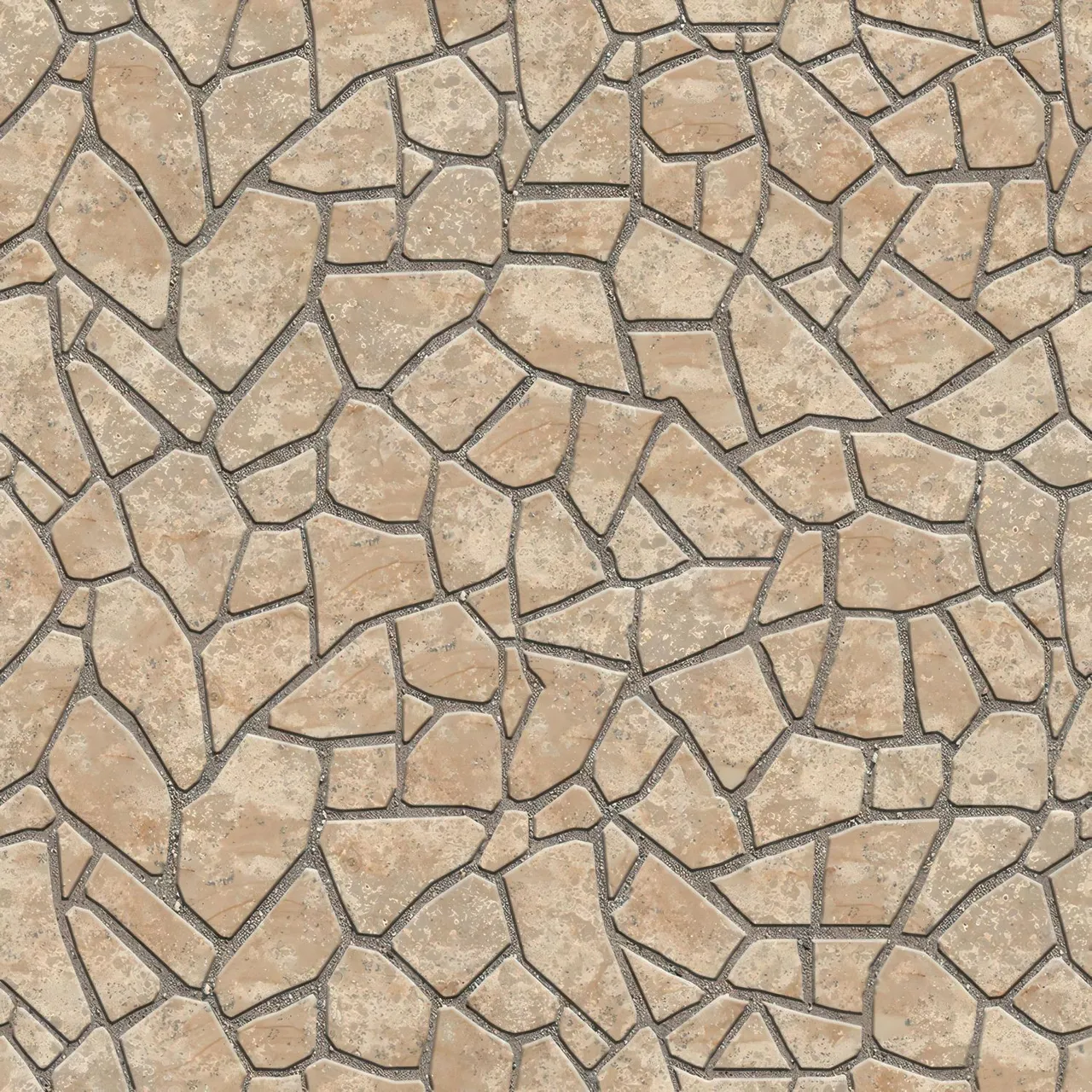
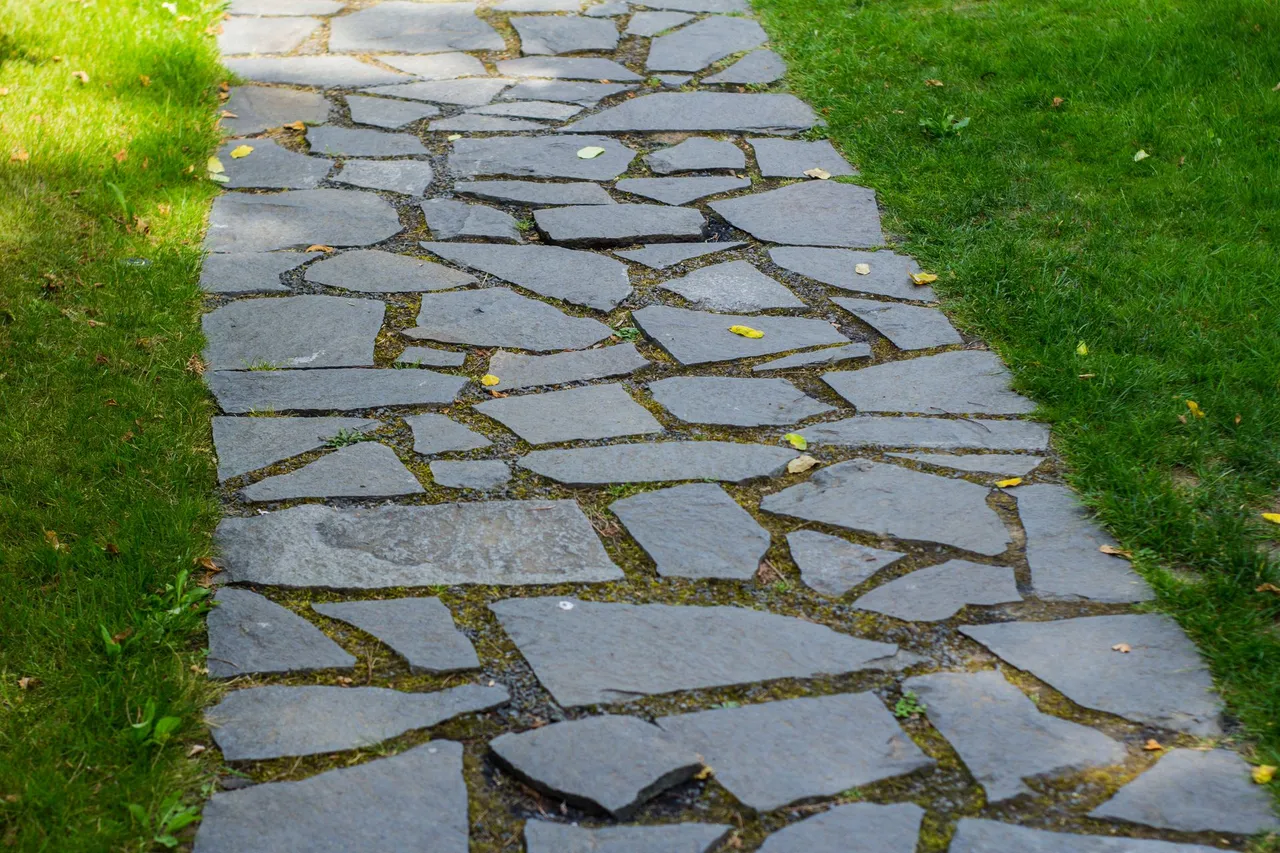
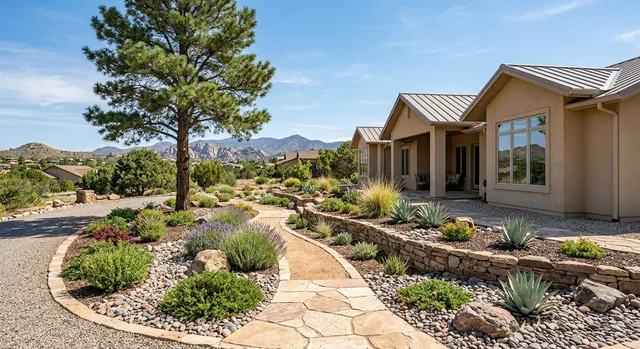
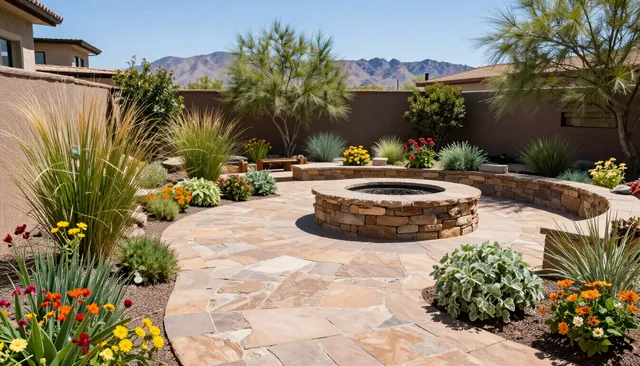
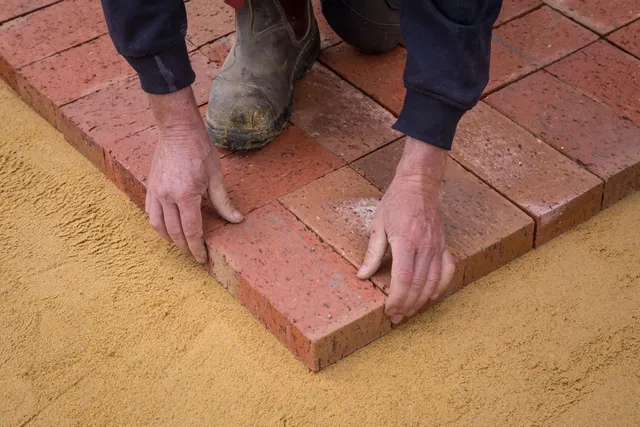
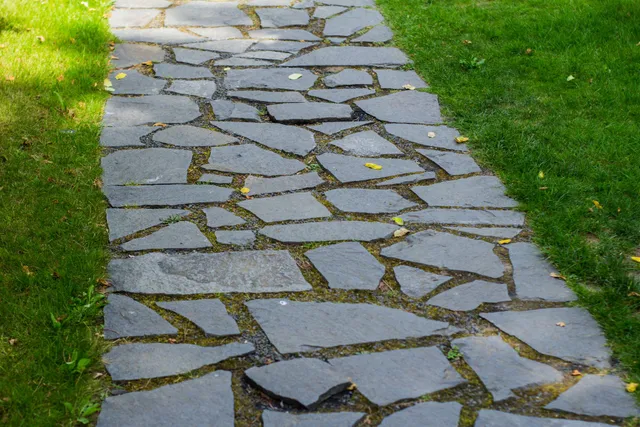
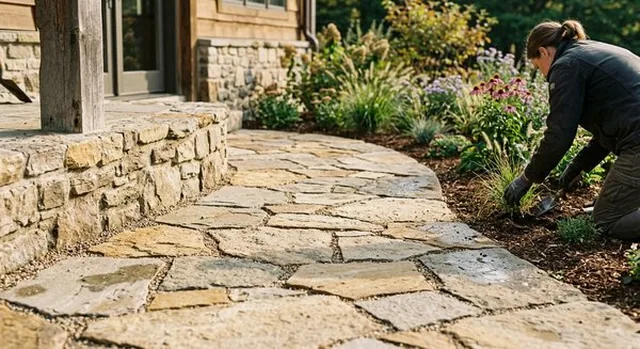
Materials like flagstone and pavers create physical fuel breaks. A flagstone walkway around the perimeter of your home interrupts the path fire needs to travel. A paver patio does the same on a larger scale. It pulls combustible decking and mulch away from the structure itself.
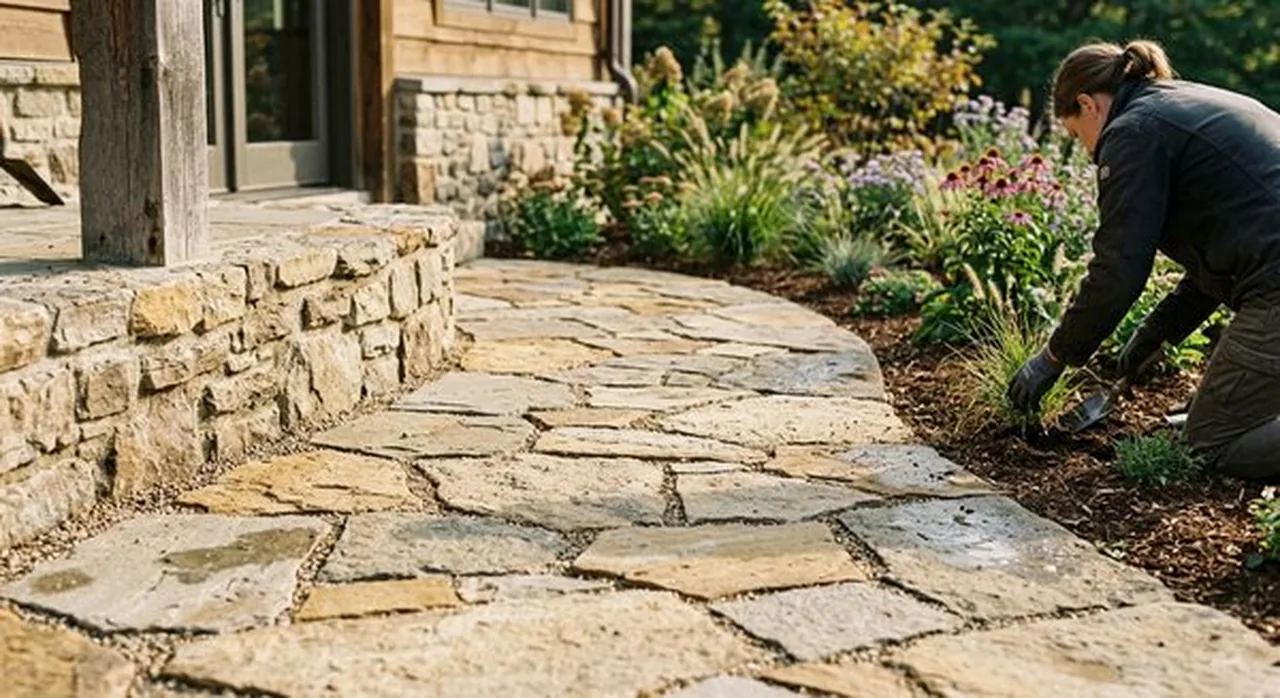
Paver installations are particularly popular for Prescott homeowners. They are durable, low-maintenance, and visually striking. They also stand up to the area's wide temperature swings, from hard freezes in winter to intense summer heat.
Gravel groundcover is another smart addition in Zone 1. It suppresses weeds, reduces combustible organic material, and requires almost no water to maintain.
Choosing Plants That Resist Fire
Firewise landscaping does not mean removing every plant from your yard. It means choosing the right plants and placing them strategically.
Native and drought-adapted species are the backbone of a smart softscape in this region. Plants like lavender, penstemon, agave, and desert marigold are well-suited to Yavapai County's soil and rainfall. They require far less water than non-native species. Many also have higher moisture content in their tissues, making them less likely to ignite easily.
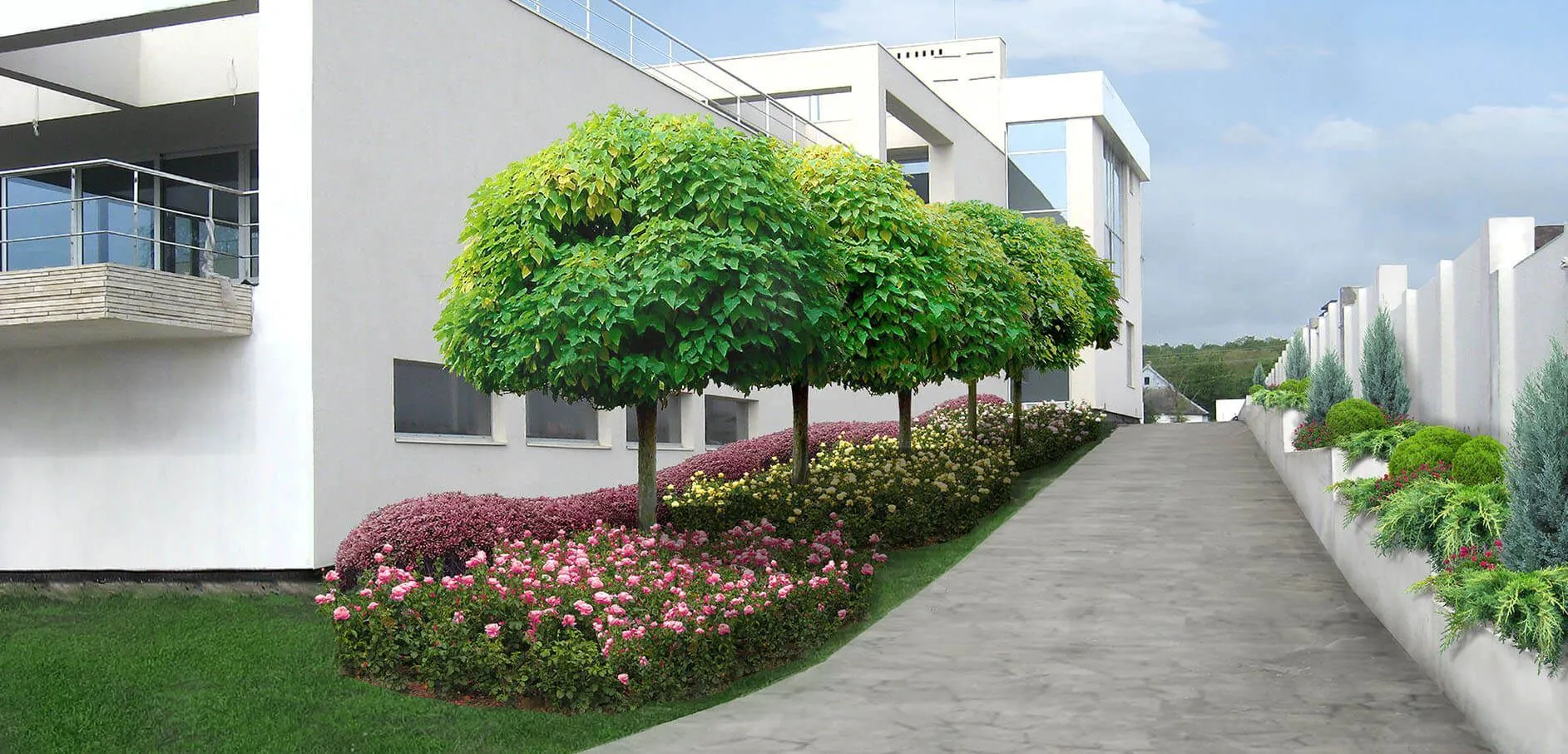
The key is grouping plants in clusters rather than creating continuous vegetation. Islands of plants separated by gravel or hardscape disrupt the fire's path. Professional softscape maintenance keeps these plantings properly spaced and pruned throughout the year.
Avoid planting highly flammable species like ornamental grasses or junipers directly against fences or the home. Speaking of fences, the material you choose matters. A wood privacy fence running from the back of the home into the wildland acts as a direct fuse. Consider how fencing materials and placement fit into your overall defensible space plan.
Maintaining Your Defensible Space Year-Round
Building a firewise landscape is not a one-time project. It requires consistent upkeep. September in Prescott brings dry conditions after the summer monsoon season winds down. Fall is a prime time to assess and clean up your yard before the drier months ahead.
A few maintenance habits to build into your routine:
- Clear roof gutters of pine needles and leaf debris.
- Remove any dead plant material that accumulated over summer.
- Recheck that grass and groundcover in Zone 1 stays below four inches.
- Inspect wood fencing for gaps or damage that could increase fire exposure.
- Confirm that no new plant growth has created ladder fuels under trees.
Staying consistent means the protection you built holds up when conditions get dangerous.